
Welcome to the world of lawn care! If you’ve just moved into a new home or decided that this is the year you finally beat the weeds and achieve that perfect green carpet, you might be feeling a little overwhelmed. Between talk of scarification, aeration, and pH levels, it can all sound incredibly complicated.
Don't panic! Achieving a beautiful, healthy lawn doesn't require a degree in horticulture. It requires understanding a few simple, actionable principles and being consistent. This guide is your no-nonsense, friendly approach to lawn care for dummies—or, as we like to call it, the beginner lawn care roadmap for future experts!
We’re going to cut through the jargon and focus on the fundamental lawn care basics that will deliver the biggest results for the least effort. By the end of this post, you'll feel confident tackling the essentials, ready to create a lawn that makes your neighbours envious. Let's get started on those vital first steps.
The Essential Tools: Keeping It Simple
Before you can get stuck in, you need the right kit. For beginner lawn care, you absolutely do not need to buy every gadget on the market. Focus on these three essential tools:
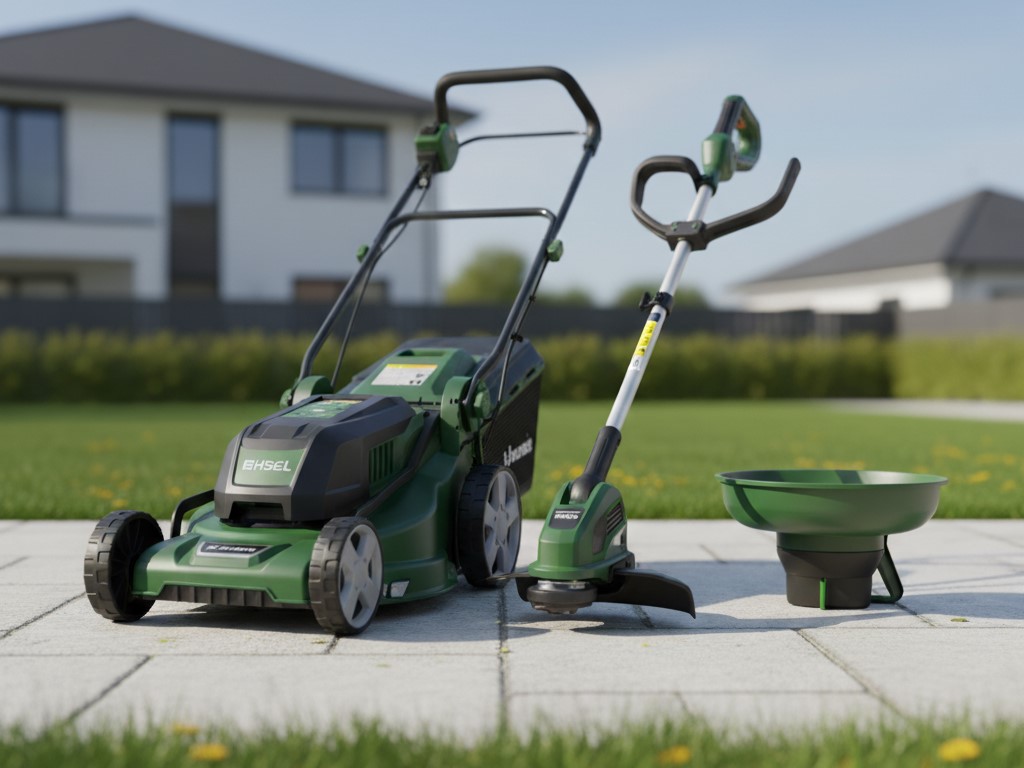
- The Mower: We covered the big decision (petrol vs. electric vs. robot) in a previous post, but the main takeaway is that you need a reliable machine that is right for your garden size. For most new homeowners, a modern cordless lawn mower is the perfect blend of power and convenience.
- The Edger/Strimmer: A tidy edge instantly makes a lawn look 10 times better. A simple electric or battery strimmer is essential for tidying the perimeter, around trees, and along fences.
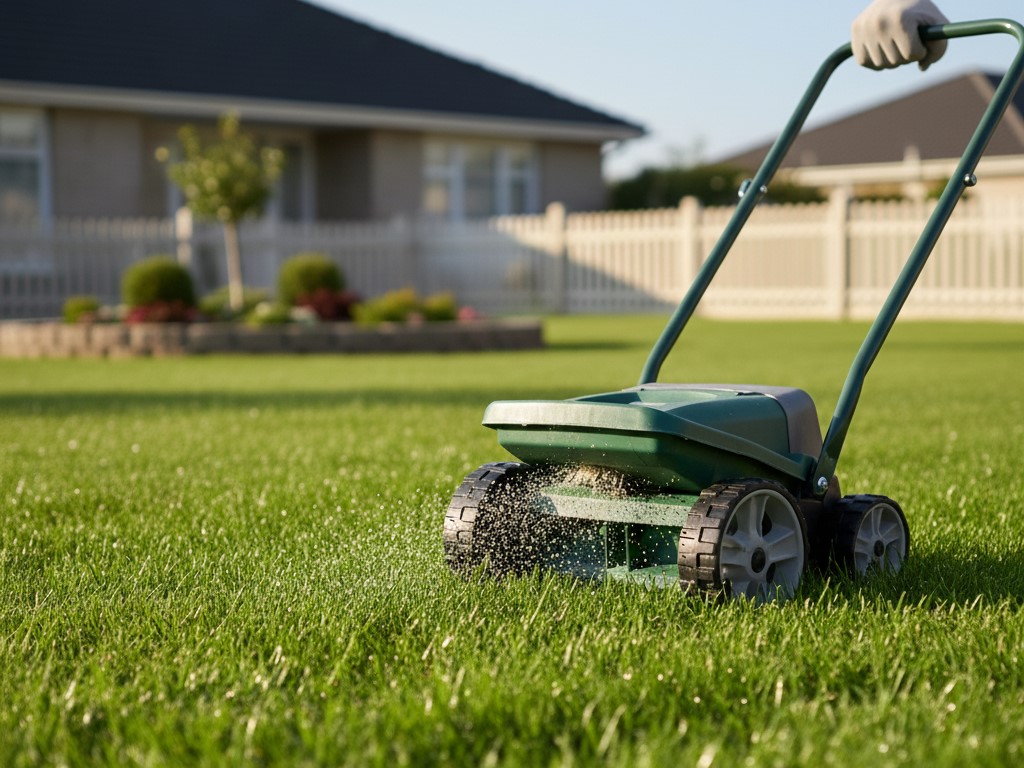
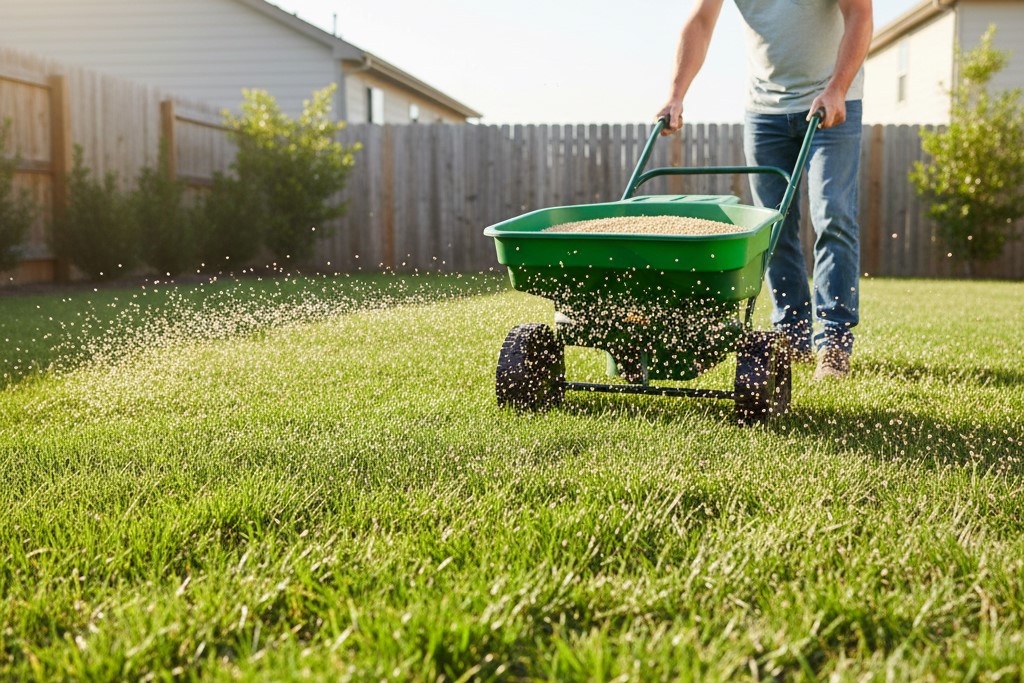
- The Spreader: While you can scatter seeds or fertiliser by hand, a small, handheld, or push spreader ensures even coverage. This prevents those weird patches of bright green grass next to struggling yellow areas. Even coverage is key to success!
Lawn Care Basics 101: Mastering the Mow
Mowing is the single most important routine task you will do, and getting it right is fundamental to the health of your lawn.
Frequency: The "Third Rule"
The biggest mistake beginners make is waiting too long between cuts.
- The Rule: Never remove more than one-third (1/3) of the grass blade's height in a single cut. Removing too much at once stresses the grass, turning it pale and making it susceptible to disease and weeds.
- Action: This means you should be mowing at least once a week during the main growing season (April to September). If the weather is warm and wet, you might need to mow twice a week!
Mowing Height: Your Seasonal Settings
Don’t scalp your lawn! Longer grass blades protect the soil, shade out weeds, and help the roots grow deeper.
- Spring/Autumn (April, September, October): Keep the height between 35mm and 45mm. This is the sweet spot for thickness and health.
- Summer (June, July, August): Raise the height to 45mm to 60mm. The extra length provides shade, which conserves moisture and protects the grass from scorching during hot, dry spells.
Expert Tip: Start your season mowing high and gradually lower the cutting deck over two or three cuts until you reach your ideal height. This eases the grass into the process.
The Secret to Green: Watering and Drainage
Watering is one of those classic lawn care basics that people often get wrong. It’s not about how often you water, but how well you water.
Deep and Infrequent is Best
A short, daily sprinkle encourages the roots to stay shallow, making the lawn weak and vulnerable to drought. We want deep, strong roots.
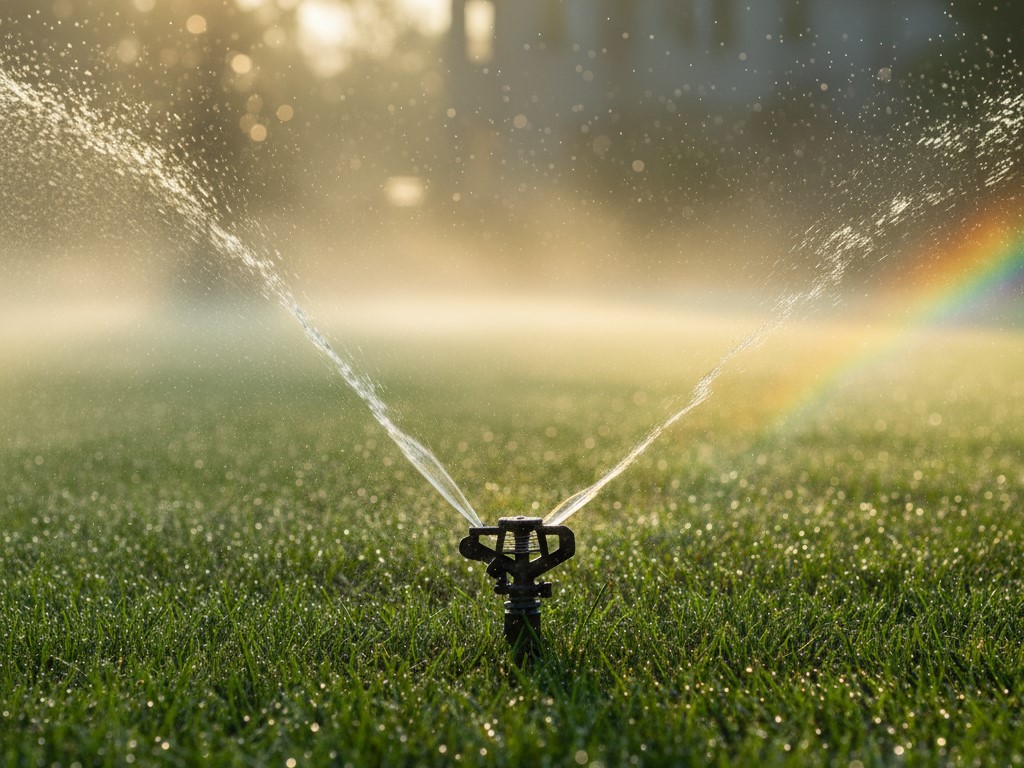
- How to Water: Water deeply enough that the moisture soaks 10–15 cm (4–6 inches) into the soil. This forces the roots to chase the water down, strengthening the entire grass plant.
- When to Water: Aim for once or twice a week during prolonged dry spells (or when you see the grass starting to dull or wilt). Give it a good 30 minutes in each spot with a sprinkler.
- The Best Time: Water in the early morning (before 10 a.m.). This gives the grass time to absorb the water before the heat of the day causes too much evaporation, and it ensures the blades dry out before evening, which prevents fungal diseases.
Dealing with Drainage
If you have puddles after a heavy shower, you have a drainage problem. This means the soil is compacted and the grass roots are drowning.
- The Fix: You need to get air into the soil, known as aeration. As a beginner, you can start with a simple garden fork—push the tines 10 cm into the soil and gently rock it back and forth every 30 cm or so across your lawn. This is simple, effective beginner lawn care that makes a huge difference.
Your Lawn Starter Kit: How to Start a Lawn from Seed
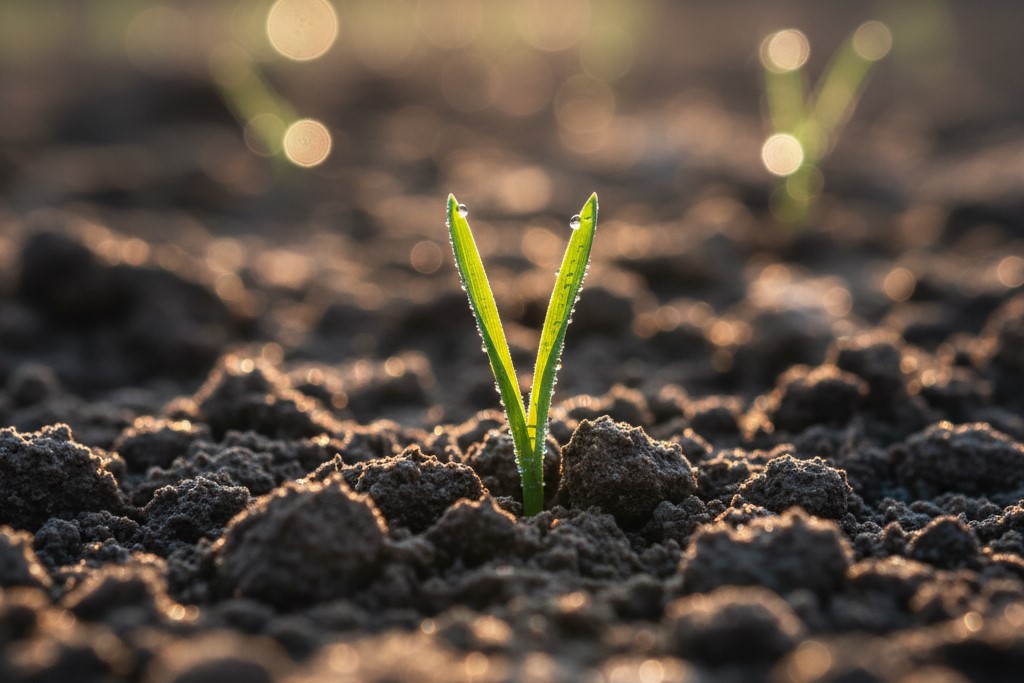
If you have bare patches, or if you’ve just moved in and the whole lawn is looking threadbare, you might need to know how to start a lawn from seed. This is a satisfying process that doesn't need to be difficult.
Step 1: Preparation is Everything
You can’t just scatter seeds onto rock-hard soil and expect results.
- Clear the Area: Remove any dead grass, stones, or large clumps of weeds.
- Rake and Level: Rake the top few centimetres of soil to break it up and create a fine, crumbly surface. Rake it smooth so you don't end up with bumps.
- Improve the Soil (Optional but Recommended): Mix in a thin layer of fine topsoil or compost, especially if your soil is heavy clay.
Step 2: Seeding (The Crucial Part)
Choosing the right seed is essential for a beautiful UK lawn. Look for a mix high in durable Ryegrass and fine Fescues for a hard-wearing, attractive finish.
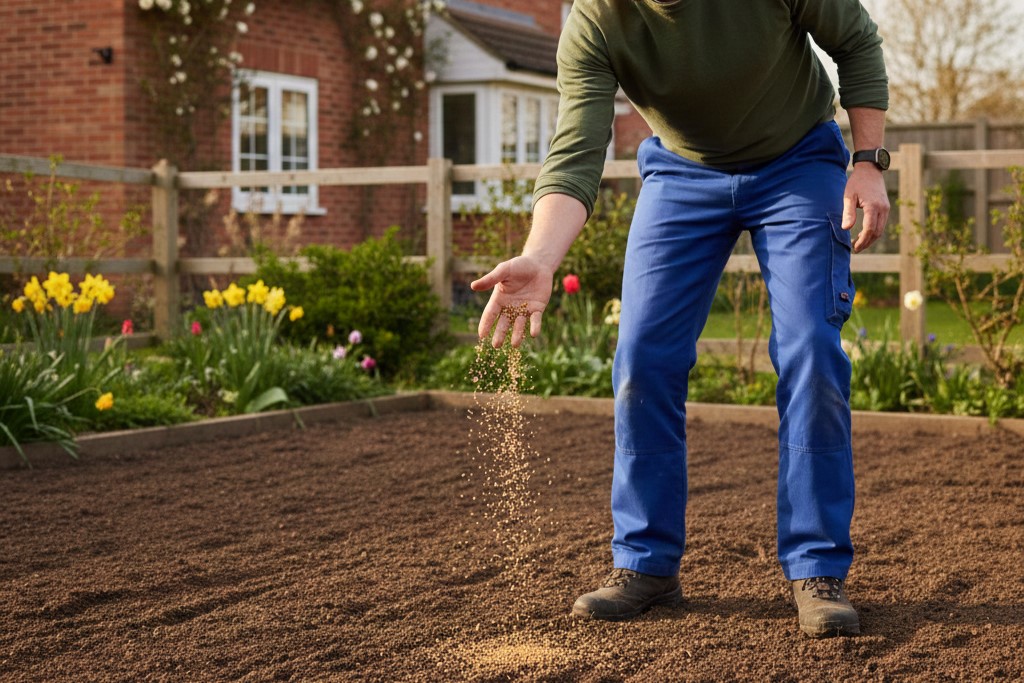
- Use the Spreader: Load your spreader and apply the seed evenly according to the recommended rate on the packaging (usually a "new lawn" rate is heavier than an "overseeding" rate).
- Lightly Rake In: After spreading, very lightly run your rake over the area. This ensures the seeds are making good contact with the soil without burying them too deeply.
- Firm It Up: Use a roller, or even just walk over the area, to press the seeds firmly into the soil. This prevents them from being blown away or eaten by birds.
Step 3: Watering and Patience
- Water Gently and Often: This is the one exception to the "deep and infrequent" rule. For the first two to three weeks, you must keep the top centimetre of the soil consistently moist. Use a fine mist spray to avoid washing the seeds away.
- The First Mow: Wait until the new grass is at least 6–8 cm tall. Set your mower to its highest setting (around 50-60mm) and cut very gently. Do not turn sharply!
Knowing how to start a lawn from seed is the first big step in taking control of your grass's destiny.
Seasonal Care: Lawn Care for Dummies Yearly Calendar
To keep those lawn care basics consistent, here is your simplified seasonal care checklist. No complex chemicals, just the essentials to guide your year.
| Season | Priority | Actionable Steps for Beginners |
| Spring (March–May) | Waking Up & Feeding | Start regular weekly mowing (sticking to the 1/3 rule). Apply a Spring/Summer granular feed rich in Nitrogen to encourage green growth. |
| Summer (June–August) | Maintenance & Hydration | Keep mowing high (45–60mm) to protect the roots. Water deeply during dry spells in the early morning. Spot-treat any visible weeds. |
| Autumn (September–November) | Repair & Recovery | This is the best time for overseeding or applying patch repairs. Apply an Autumn/Winter feed rich in Potassium to strengthen roots against the cold. |
| Winter (December–February) | Rest & Planning | Mowing stops (unless necessary on a mild day). Clear leaves and debris to prevent mould/disease. Use a soil testing kit to check your pH ready for next year's planning. |
This complete lawn care for dummies guide has given you the power. From understanding the simple rules of mowing height to knowing how to start a lawn from seed and the basic yearly cycle, you now have a solid foundation. Remember, a beautiful lawn is the result of routine, not revolution. Stick to these beginner lawn care principles, and you'll see massive improvements!
0 Comments