
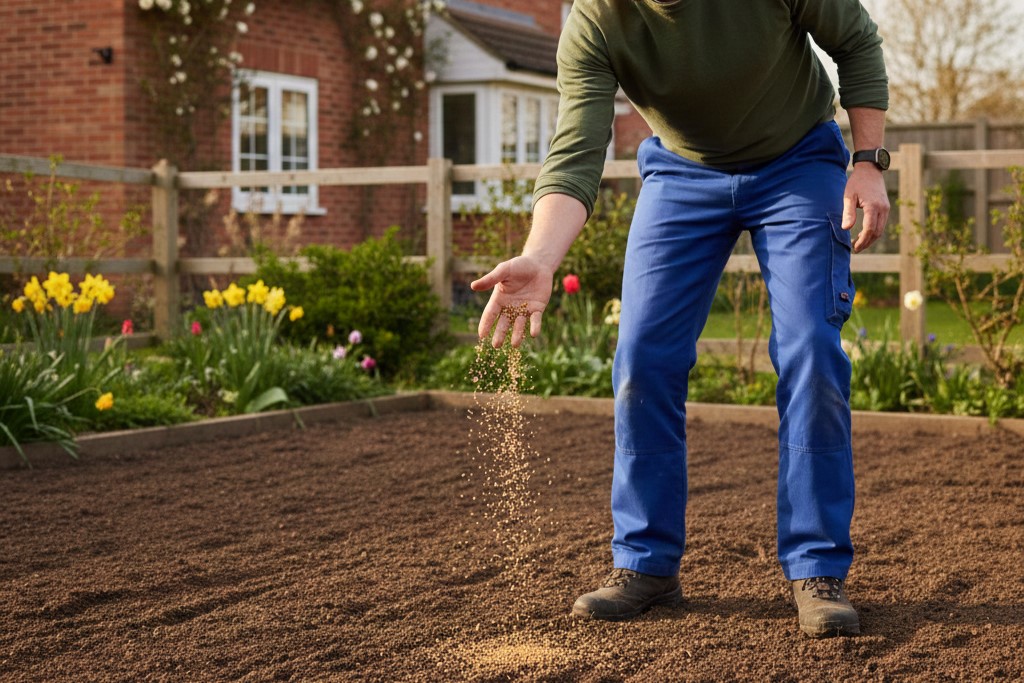
We’ve all been there. You look out the window at a lawn that looks more like a patchwork quilt of moss and bare soil than a lush Wimbledon centre court, and you think: "Right, today’s the day I fix this." You grab a bag of seed, scatter it with hope in your heart, and... nothing. Or worse, the birds have a five-course gala dinner at your expense.
The secret to a carpet-like lawn isn’t just about the quality of the seed or how much you water it; it’s almost entirely down to when to plant grass seed. Timing is the difference between a lawn that flourishes and one that becomes an expensive snack for the local wildlife.
In the UK, our weather is famously unpredictable, but grass seed is actually quite picky. It needs a "Goldilocks" zone of temperature and moisture to wake up and start growing. Let’s dive into the science and the schedule so you can master your new grass seed timeline like a pro.
The Science of Sprouting: Why Timing Matters

Before we look at the calendar, we need to understand what the seed actually wants. Grass seed is a living thing in a deep sleep. To wake it up (germination), it needs two things: consistent moisture and warm soil.
Many beginners make the mistake of looking at the air temperature. While it might feel like a lovely spring day, the ground can still be freezing. For most UK grass species, such as Perennial Ryegrass or Fescue, you need a soil temperature of at least 10°C. If you sow when the ground is colder, the seed will just sit there and rot or get eaten before it ever gets the chance to sprout.
Moisture is King
Once that seed starts to germinate, it cannot be allowed to dry out. This is why we generally avoid the height of summer. Unless you fancy standing outside with a hosepipe three times a day during a July heatwave, planting in the middle of summer is a recipe for heartbreak.
The "Big Two": Spring vs Autumn Seeding

In the UK, there are two primary windows for success. Both have their pros and cons, but one usually wears the crown for the "best" results.
1. The Best Time to Plant Grass Seed in Spring
Spring is the season of rebirth, and it’s a fantastic time to get your lawn moving. Generally, late March to May is the sweet spot.
The Pros:
- Rising Temperatures: The days are getting longer, and the soil is finally waking up.
- Natural Rain: April showers are a lawn's best friend, saving you a fortune on the water bill.
- Early Use: Seeding now means you might actually have a usable lawn by the time the summer BBQs roll around.
The Cons:
- Weed Competition: Unfortunately, grass isn't the only thing waking up. Dandelions and clover are also ready to fight for space.
- Late Frosts: A sudden "Beast from the East" can kill off tender young shoots.
2. The Case for Autumn Seeding (The Expert's Choice)
If you ask any professional groundsman, they’ll tell you that late August to October (often referred to as fall seeding) is actually the gold standard.
The Pros:
- Warm Soil: After a long summer, the ground is like a radiator. It’s lovely and warm, which leads to incredibly fast germination.
- Less Weed Pressure: Most common garden weeds are dying back for the winter, giving your new grass the "first dibs" on nutrients.
- Root Development: Grass planted in autumn spends all winter growing a deep, strong root system before it has to face the heat of next summer.
The Month-by-Month UK Seeding Guide
Let’s break this down into a manageable timeline. Think of this as your "Lawn Care Sat-Nav."
January & February: The Planning Phase
Verdict: Too Cold. The ground is likely waterlogged or frozen. Sowing now is essentially just feeding the birds. Instead, use this time to test your soil pH. Grass loves a slightly acidic to neutral soil (around 6.0 to 7.0). If your soil is too acidic, the seed will struggle to take up nutrients later.
March: The "Maybe" Month
Verdict: Proceed with Caution. In the South of England, you might get lucky in late March. In the North or Scotland? Hold your horses. Check the soil temperature. If you can’t stand on the soil in your bare feet for a minute without turning blue, it’s too cold for the seed.
April & May: The Spring Sweet Spot
Verdict: Prime Time. This is the best time to plant grass seed in spring. The soil has finally hit that 10°C mark. Focus on overseeding any thin patches or starting a new lawn from scratch. Keep an eye on the forecast; if a dry spell hits, you’ll need to step in with the sprinkler.
June & July: The Danger Zone
Verdict: Avoid if Possible. It’s hot, it’s dry, and the sun is intense. Young grass has very shallow roots and can shrivel in hours. If you must sow now, you’ll need to water at least twice a day to keep the surface damp. It’s a lot of work for a lower success rate.
August (Late) & September: The Golden Window
Verdict: Perfection. The "August Bank Holiday" is the traditional starting gun for autumn lawn repair. The soil is at its warmest, and the morning dew provides natural moisture. This is the ultimate time for fall seeding. Your seed will likely pop up in half the time it took in April.
October: The Last Chance Saloon
Verdict: Getting Risky. Early October is usually fine, but as the clocks go back, the soil temperature starts to plummet. If you’re in the North, try to have your seed in the ground by the first week of October.
November & December: Deep Sleep
Verdict: Forget it. The grass is going dormant. Spend this time cleaning your mower and dreaming of the green stripes to come.
Your New Grass Seed Timeline: Step-by-Step
Once you’ve picked your month, you need a plan of attack. You can't just throw seed at the ground and expect a miracle—it's grass, not magic beans.
Step 1: Preparation (1 Week Before)
Clear the area of stones, weeds, and old debris. If you're overseeding, mow your existing grass on the lowest setting and scarify (rake hard) to remove thatch. This ensures the seed actually touches the soil.
Step 2: Soil Improvement
If your soil is heavy clay, mix in some sharp sand or topsoil to improve drainage. This is also the time to add a pre-seed fertilizer. Look for one high in phosphorus, which encourages root growth rather than just leafy tops.
Step 3: Sowing
Check the packet for the recommended "sowing rate." Usually, it’s about 35g per square metre for new lawns. Use a spreader if you can; it prevents those awkward "clumpy" spots where you’ve accidentally dumped half a bag in one go.
Step 4: Firming In
This is a step people often miss. You need seed-to-soil contact. Walk over the area with small, shuffling steps (the "penguin walk") or use a light roller. You want the seed "tucked in," not buried deep.
Step 5: The Watering Ritual
For the first 14–21 days, the surface must stay moist. If it rains, great! If not, a light misting is better than a heavy soaking. You want to avoid puddles, which can wash the seed away into the corners of your garden.
Common Obstacles and How to Beat Them
Even with perfect timing, nature likes to throw a spanner in the works. Here’s how to stay in control:
- The Bird Problem: Birds love grass seed. To stop them from turning your lawn into a buffet, you can use reflective bird-scaring tape or simply cover the area with a thin garden fleece. The fleece actually helps by keeping the heat and moisture in, acting like a mini-greenhouse.
- Heavy Rain: If a British monsoon hits right after you sow, your seed might wash away. If you see "channels" forming in the soil, you’ll likely need to re-level and re-sow those specific spots.
- Shady Spots: If you're planting under a large oak tree, the "best time" is slightly earlier in the spring or autumn to ensure the grass gets enough light before the tree canopy becomes too thick.
Understanding Your Soil pH and Drainage
While we've focused on when to plant grass seed, the "where" is just as important. If your garden has poor drainage (common in new-build homes with compacted clay), even the best-timed seeding will fail as the seeds drown.
If you notice moss growing, that’s a big hint that your soil is either too acidic or too wet. Aerating the ground with a garden fork before you sow can help air and water reach the roots, giving your new grass seed timeline a much-needed boost.
Pro Tip: Don't be tempted by "cheap" seed. High-quality UK seed mixes are specifically blended for our climate and often contain "coated" seeds that retain moisture better and are less tasty to birds. It’s worth the extra few pounds for the time you’ll save in the long run.
Summary: The Shortcut to Success
If you remember nothing else, remember this: Soil temperature over air temperature. The absolute best results for a UK homeowner usually come from September sowing. You get the benefit of the summer’s warmth without the scorching heat, and the natural autumn rains do the heavy lifting for you.
However, if you’ve missed the autumn window, April is your next best bet. Just be prepared to keep that sprinkler handy!
A perfect lawn is a marathon, not a sprint. By aligning your efforts with the natural cycle of the seasons, you’re not just growing grass; you’re building a durable, beautiful outdoor space that will be the envy of the street for years to come.



0 Comments