
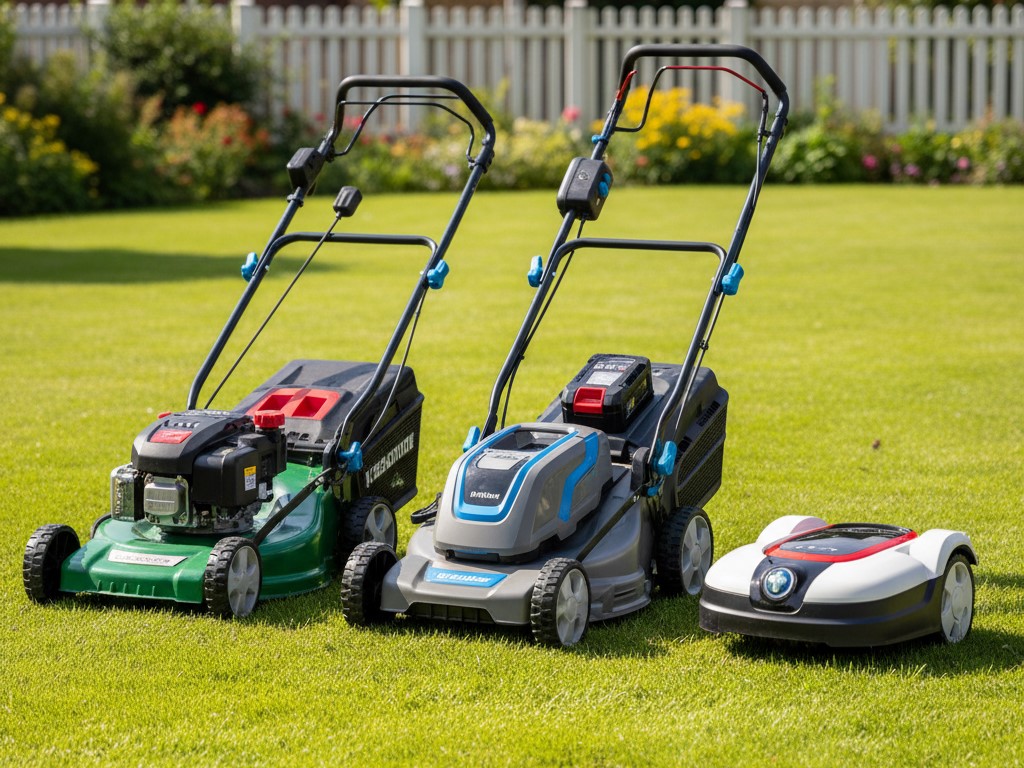
Choosing a new lawn mower can feel a bit like buying a new car, can’t it? You’re faced with a dizzying array of options, from the traditional workhorses to the latest silent-running tech. For a new homeowner or a dedicated DIYer aiming for that perfect, bowling-green finish, the choice is crucial. Getting it wrong means more hassle, a less-than-perfect lawn, and maybe even a few cross words from the neighbours!
For years, it was a simple choice between a corded electric model and a powerful petrol engine. Today, however, we have a genuine third contender: the cordless lawn mower, which has truly closed the power gap, and the futuristic robotic lawn mower review models that promise to do all the work for you. So, which is best for your unique slice of the UK?
In this comprehensive guide, we're going to put all three head-to-head. We’ll look at everything from raw cutting power to long-term running costs, storage, and even the noise level that might put you in the bad books with next door. Our goal is to break down the technical jargon, simplify the science, and leave you feeling empowered to make the right choice for your lawn. Let’s dive into the ultimate petrol vs electric lawn mower comparison and see where robot mowers fit in!
The Three Contenders: A Quick Introduction
Before we get into the nitty-gritty of the comparison, let’s quickly establish who’s who. Each mower type serves a different core purpose.
- The Powerhouse: Petrol MowersThese are the undisputed champions of raw power and endurance. They run on fuel, are typically heavier, and are built to tackle large, uneven, or long-neglected lawns without breaking a sweat. If you have a large garden, say, over 500m², or frequently mow long, damp grass, the petrol lawn mower is a classic choice for sheer grunt.
- The Modern All-Rounder: Electric (Corded & Cordless)This is where the real revolution is happening.
- Corded electric mowers are super-light, affordable, and maintenance-free, but they restrict you to the length of your cable. Great for the best lawn mower for small garden owners.
- Cordless lawn mower models are the new darling. They use powerful, rechargeable lithium-ion batteries and offer the freedom of petrol without the hassle of fuel, maintenance, or noise. They are incredibly versatile and perfect for most medium-sized UK lawns (up to about 500m²).
- The Set-and-Forget Wizard: Robot MowersThe most advanced option. Once you've set up the perimeter (either with a boundary wire or, for newer models, GPS), this machine manages your mowing schedule entirely on its own. They are designed to "micro-mulch" the grass, cutting tiny amounts frequently, which is fantastic for lawn health. They are the ultimate in convenience, but they come at a price.
The Power & Performance Battle
When you think about cutting performance, you’re looking for two things: power (the ability to slice through thick, dense grass) and endurance (how long it can keep going).
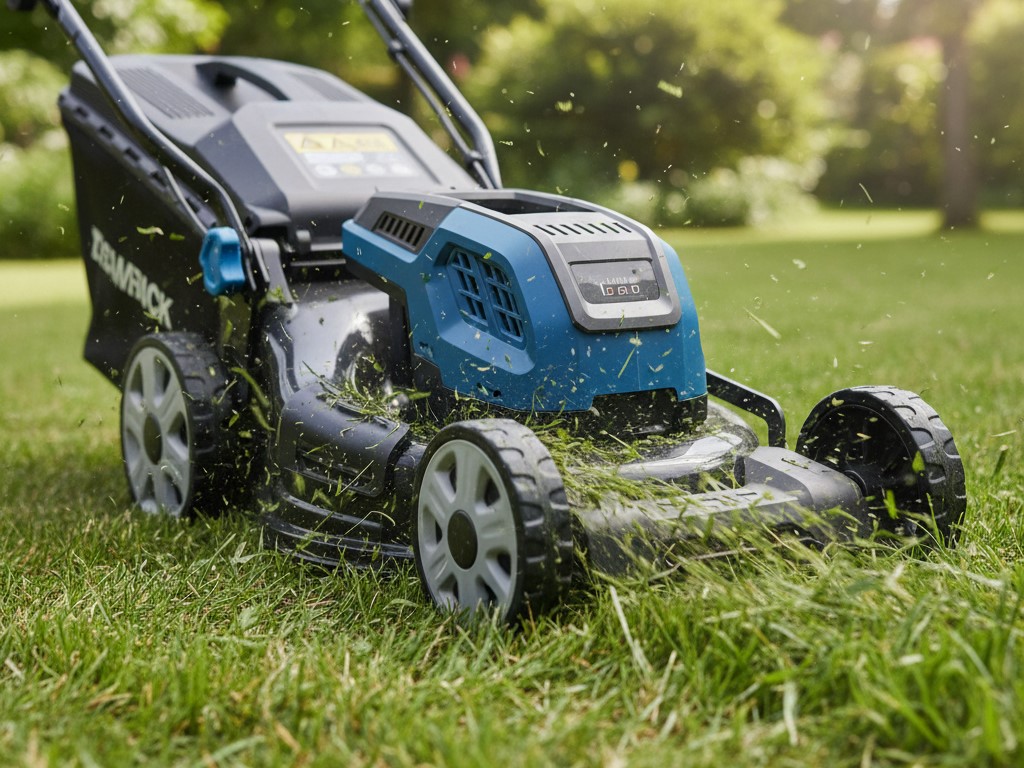
The Verdict on Power
The traditional view is that nothing beats petrol, and for the most extreme conditions, that’s still mostly true.
- Petrol: Wins on raw, sustained torque. If you only mow once a month and the grass is knee-high, the petrol engine will power through without stalling. Look for models with at least a 140cc engine for excellent performance.
- Electric (Cordless): Modern, high-voltage (40V, 60V, or even 80V) cordless lawn mower systems are now a genuine match for petrol in most domestic scenarios. They have advanced brushless motors that intelligently deliver power when the grass is thick. For a typical suburban lawn, you simply won't notice the difference. They only tend to struggle when the grass is excessively long and wet.
- Robot: Their power isn't designed for brute force. They use small, razor-sharp blades to snip the top of the grass very frequently. They are not the machine you use to clear an overgrown patch after a two-week holiday, you'll need a different tool for that first cut.
| Category | Petrol Mower | Cordless Electric Mower | Robot Mower |
| Best For | Extreme grass length, very large gardens (500m²+) | Medium-sized UK gardens (up to 500m²), routine cuts | Continuous, frequent mowing to maintain perfect height |
| Max Endurance | Unlimited (just refuel) | Limited by battery life (often 30-60 mins) | Limited by battery, but auto-recharges (runs daily) |
| Handling Wet Grass | Excellent | Good (needs a powerful motor) | Poor (best used on dry days) |
Actionable Tip: Battling Battery Anxiety
If you’re concerned about battery life on a cordless lawn mower, there’s an easy fix: invest in a second battery. Most modern battery systems are interchangeable across a brand's range of tools (strimmers, hedge trimmers, etc.), which adds huge value. You can charge one while you're mowing with the other, effectively giving you continuous mowing time.
Cost of Ownership: Initial Price vs Running Costs
No one wants a beautiful lawn at the expense of their bank account. When comparing mowers, you have to look beyond the initial purchase price and consider the long-term running costs and required maintenance.
Initial Investment
- Petrol Mowers: The upfront cost can be mid-to-high, especially for reputable brands with self-propelled features.
- Electric Mowers (Corded): The cheapest entry point. A corded model is a fantastic, budget-friendly option for the best lawn mower for small garden owners.
- Cordless Mowers: Mid-to-high cost, as you are paying for the advanced battery technology. If you already own tools from a battery platform (like an 18V or 40V system), you can often buy a "bare tool" (without a battery) and save money.
- Robot Mowers: The most expensive upfront investment, often starting in the hundreds and rapidly climbing into the thousands for advanced, wire-free models.
Long-Term Running Costs
This is where the tables start to turn in the petrol vs electric lawn mower debate.
| Cost Factor | Petrol Mower | Cordless Electric Mower | Robot Mower |
| Fuel/Power | High (Cost of petrol) | Very Low (Cost of electricity) | Very Low (Cost of electricity) |
| Scheduled Maintenance | High (Oil changes, spark plugs, filters, winterising) | Low (Blade sharpening, cleaning) | Low (Blade replacement, occasional cleaning) |
| Major Replacements | Engine parts, pull-cord assembly | Battery replacement (every 3-5 years) | Battery replacement (every 3-5 years), boundary wire repair |
A well-maintained petrol engine can last decades, but the annual costs of fuel and upkeep quickly add up. Electric mowers, by contrast, are simply plugged in, the difference in running costs over five years is substantial. Think of the cost of a full tank of petrol every time you mow!
The Money Metaphor: Think of a petrol mower as a classic car—great performance, but thirsty and needs constant TLC. A cordless electric mower is like a modern electric vehicle—low daily cost, less maintenance, but the 'battery' will need replacing one day.
Maintenance & Ease of Use
No matter how enthusiastic you are about your lawn, you want a tool that's easy to live with. Maintenance and usability are massive factors, particularly for new homeowners who might not be keen on fiddling with engines.
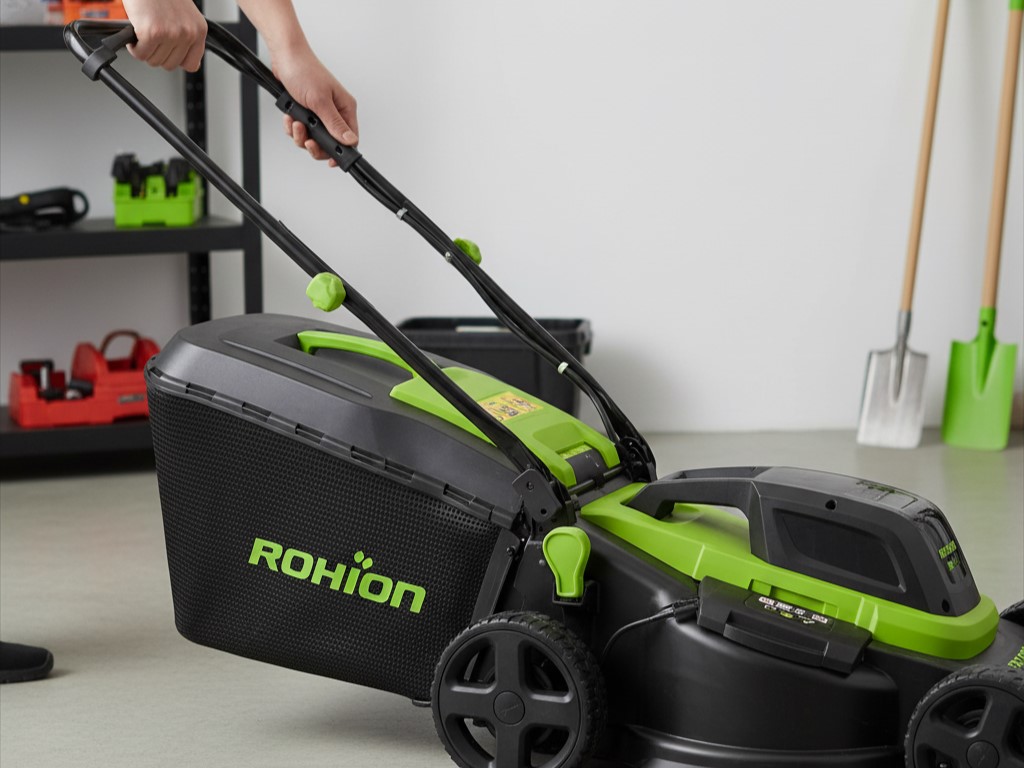
Petrol Mowers: The Maintenance Load
Let’s be honest: petrol mowers are demanding. You are essentially managing a small combustion engine.
- You must check the oil before every use.
- You need to drain or stabilise the fuel for winter storage.
- You'll need to clean or replace the air filter and the spark plug regularly.
- They are heavy and harder to push, although self-propelled models mitigate this.
- Starting is a physical task—the infamous pull-cord!
Electric Mowers: Maintenance-Free Bliss
This is the electric mower's superpower. The maintenance list is refreshingly short:
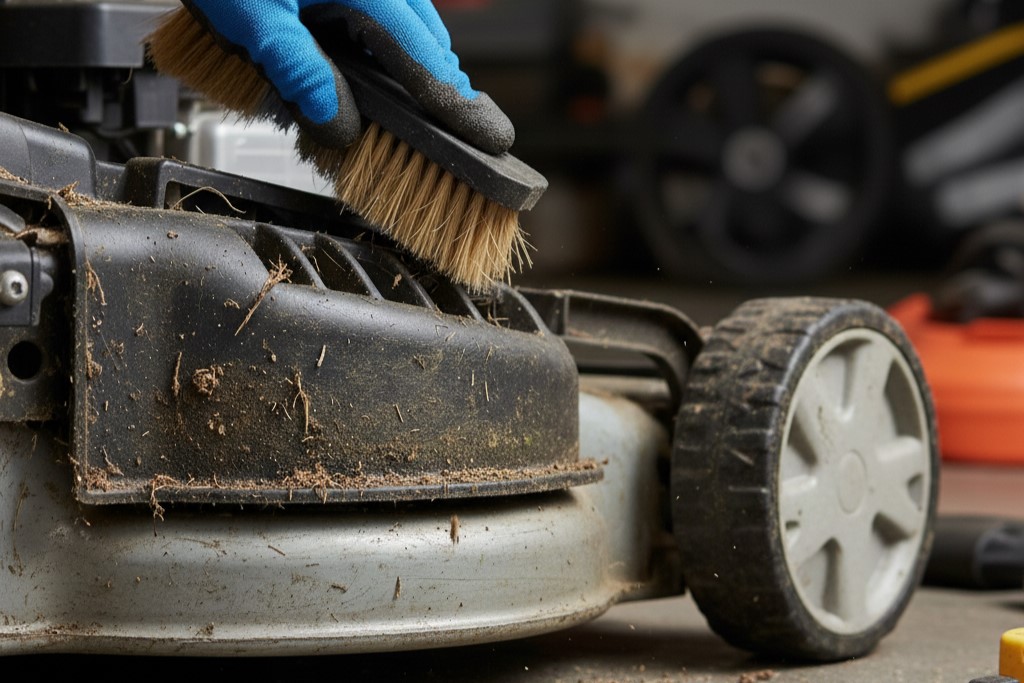
- Keep the deck clean (especially important on battery models to prevent grass gunk slowing the blades).
- Sharpen the blade once or twice a season for a clean cut.
- Charge the battery. That's pretty much it!
Robot Mowers: Occasional Niggles
While they are "hands-off" for mowing, a robot still needs some attention.
- Blade changes are frequent (often small, disposable, razor-like blades).
- The docking station and charging contacts need to be kept clean.
- You have to install and maintain the boundary wire (unless you have a wire-free GPS model). Snapped wires are a pain to locate and fix.
Achieving the Holy Grail: Lawn Stripes and Mower Rollers
For many DIY lawn enthusiasts, the ultimate sign of a job well done is the crisp, contrasting stripe pattern left behind. It's what separates a neat lawn from a truly perfect one. Stripes are created not by cutting the grass at different heights, but by bending the grass blades in different directions, which reflects the light differently.
What to Look for: The Roller
To achieve this professional finish, you need a rear roller (sometimes called a striping kit) on your mower.
- Rotary Mowers (Petrol/Electric): Many high-quality rotary mowers, especially those from UK-focused brands, come fitted with a roller attachment just behind the rear wheels. When you’re shopping for a new machine, look specifically for "Roller Mower" or "Mower with Rear Roller" in the specifications.
- Cylinder Mowers: These mowers (less common, but excellent for low-cut lawns) are the kings of the stripe. They have heavy front and rear rollers built into their design, making beautiful stripes effortless.
- Robot Mowers: As noted before, robot mowers do not have a heavy roller and therefore cannot create stripes. If stripes are your non-negotiable goal, a robot mower is not for you.
Actionable Stripe Tip: The heavier the roller, the better the stripe. If your mower has a plastic or light metal roller, you can sometimes achieve a deeper contrast by going over the lawn in the desired direction after the blades are switched off, using the weight of the mower and the roller to push the grass over firmly. It takes a little extra effort, but the results are worth it!
Noise and Emissions: The Neighbourly Factor
If you like to mow on a Sunday morning or live close to your neighbours (which is most of us in the UK!), noise is a huge consideration.
- Petrol Mowers: Loud. Very loud. Typically 90–100 dB. You need ear protection for extended use, and your neighbours will know when you’re cutting the lawn. This is a major drawback.
- Electric Mowers: Quiet. Cordless models typically run at around 75–85 dB, which is closer to a washing machine than a motorbike. You can easily hold a conversation while mowing and won't feel guilty about using it before 9 a.m.
- Robot Mowers: Practically silent. They often operate at 55–65 dB, allowing them to run at night or in the early morning without disturbing anyone.
As for emissions, electric and robot mowers are zero-emission during use, which is a big win for the environment. Petrol mowers produce exhaust fumes and a much higher carbon footprint, which is another factor pushing many homeowners towards the electric revolution.
The Right Mower for Your Garden Size and Type
Choosing the right mower is less about "best" and more about "most suitable" for your unique garden. Here’s a simple breakdown based on size, which is one of the most important metrics.
Small Garden (Under 150m²)
This is the typical small urban or terraced house garden.
- Best Options: Corded Electric or a compact cordless lawn mower. They are lightweight, easy to store, and a single battery charge will easily complete the job.
- Why not Petrol? Total overkill. Too heavy, too noisy, and the cost and maintenance are not justified for such a small patch.
- Why not Robot? Overkill on price. While they work perfectly well, a robot mower is a massive investment for a small space that you can finish in 15 minutes.
Medium Garden (150m² to 500m²)
The classic, detached or semi-detached UK garden. This is the sweet spot for the modern cordless lawn mower.
- Best Options: Cordless lawn mower (36V or 40V system). You get the freedom from the cable, enough power for weekly cuts, and you can easily upgrade to a spare battery if needed. A high-spec corded electric might also work if you have easy plug access.
- Robot Mower Consideration: This is where a robot mower starts to become a genuinely appealing option, as the time saved on weekly mowing becomes more valuable.
- Why not Petrol? Still noisy and high-maintenance for the job, but it’s an option if you have rough ground or steep slopes that require maximum power.
Large Garden (Over 500m²)
A challenging garden, perhaps an acre or more, with varied terrain.
- Best Options: Petrol mower (especially self-propelled models) or a high-spec cordless lawn mower with a large-capacity battery (e.g., 60V or higher) and a wide cutting deck (46cm+). For continuous, massive coverage, petrol still reigns supreme.
- Robot Mower Consideration: You will need a top-tier, industrial-grade robot mower with advanced GPS or wire-free navigation and a high price tag. However, they can manage huge areas flawlessly.
The Robot Mower Deep Dive: Convenience vs. Commitment
The inclusion of the robotic lawn mower review as a secondary keyword shows us that homeowners are seriously considering automating this chore. They offer unparalleled convenience, but they require a certain commitment and environment to work effectively.

The Upsides of Automation
- Lawn Health: They cut little and often. This acts as a constant mulching process, feeding tiny clippings back into the soil, which is a fantastic natural fertiliser.
- Time: You literally set it and forget it. Imagine getting your weekend back!
- Noise: Silent operation means you can mow at anti-social times without a care.
The Downsides of Robot Ownership
- Installation: Setting up the boundary wire can take a few hours. Wire-free models simplify this but are significantly more expensive.
- Obstacles: Low-level obstacles (like small toys or fallen fruit) need to be cleared before the robot runs. It’s an easy way to damage the blades.
- Stripe Envy: Robot mowers don't create those iconic British lawn stripes. If a striped finish is a non-negotiable part of your lawn dream, a robot is unlikely to achieve it unless it comes with a roller.
Final Thoughts: Making the Right Choice
After laying out all the facts in this petrol vs electric lawn mower analysis, it’s clear that the 'best' option is the one that aligns with your garden's needs and your personal lifestyle.
For the vast majority of new homeowners and DIY enthusiasts in the UK, those with a small to medium-sized garden—the cordless lawn mower is the clear winner. It’s a perfect blend of freedom, low maintenance, quiet operation, and more than enough power to keep your lawn looking fantastic all season long. It truly offers a perfect balance of performance and convenience.
If you have a massive, bumpy garden where only pure grunt will do, stick with a modern, high-quality petrol machine. And if your primary goal is to never push a mower again, and you have the budget, then welcome to the future with a robotic lawn mower review option.
Whatever you choose, remember that the most important factor for a healthy lawn is consistency. A good cut, done regularly, is the secret weapon to an envy-worthy finish. Now you have the knowledge to pick the right machine for the job, so you can focus on the fun part: enjoying your perfect lawn!

0 Comments