
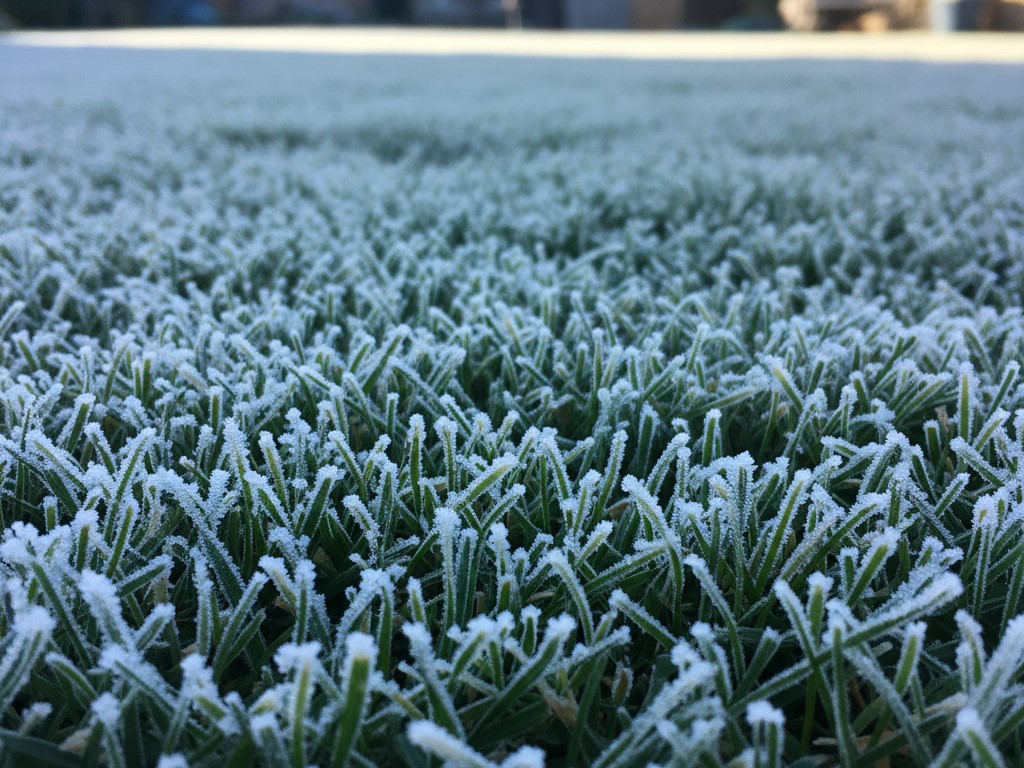
You’ve spent the spring, summer, and autumn meticulously caring for your lawn. You’ve mowed, fertilised, scarified, and edged until your patch of green is the envy of the entire street. So, what happens when the temperature drops, the days get shorter, and the frost starts to bite? Do you just pack up your gear and wait for spring?
Absolutely not!
While it’s tempting to think of the colder months as a "holiday" for your lawn, the truth is that winter lawn care is one of the most critical, yet often overlooked, elements of maintaining a truly perfect lawn. What you do, or don't do, between November and February will directly determine how quickly and beautifully your grass bounces back in the spring. Think of it as putting your lawn into hibernation properly. Get it wrong, and you're battling moss and fungal diseases from the moment the weather warms up.
We’re not talking about back-breaking work here. Much of winter lawn care is actually about not doing certain things, or making small, strategic adjustments. It’s about understanding the fundamental biology of your turf and respecting the natural cycle it enters. This comprehensive UK guide will demystify the winter period, giving you the expert knowledge you need to protect your hard work, manage a dormant lawn, and ensure your grass is already winning the beauty pageant before your neighbours have even thought about their first spring mow.
Ready to learn the secret to a resilient, healthy lawn that thrives even when the weather is miserable? Let’s get into the cold, hard facts.
Understanding the Dormant Lawn: A Winter Siesta, Not a Deep Sleep
One of the biggest misconceptions in lawn care is that grass simply "dies" in winter. That’s not accurate for the cool-season grasses (like Fescues, Ryegrass, and Bentgrass) typical of the UK. What actually happens is the grass enters a state called dormancy.
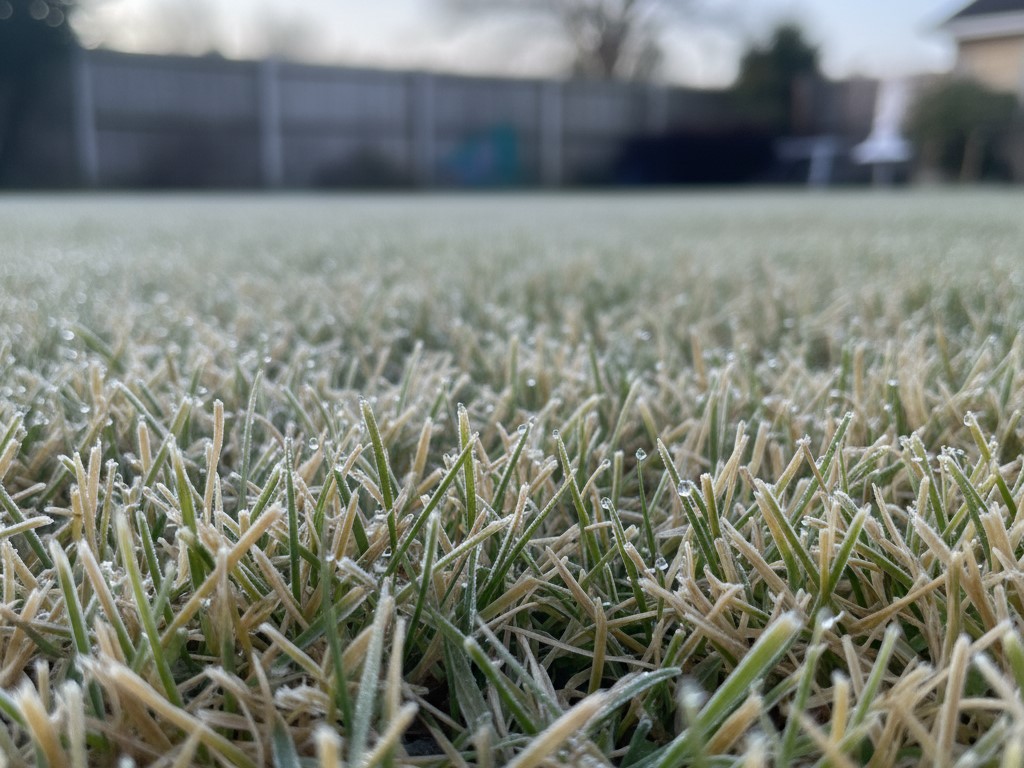
What is Dormancy?
Dormancy is a natural defence mechanism. When the soil temperature consistently drops below about $8-10^\circ \text{C}$ (around $46-50^\circ \text{F}$), the grass plant effectively presses the pause button on active growth.
- Growth Slows Down: The shoot and blade growth almost entirely stops. This is why you barely need to mow.
- Energy is Stored: The plant diverts its energy from growing blades above ground to strengthening its root system and storing carbohydrates (sugars) for the spring explosion.
- Appearance Changes: Your grass will likely lose its vibrant colour and turn a less appealing, sometimes brownish or dull-green colour. Don’t panic, this is normal! It’s merely a visual cue that your dormant lawn is conserving energy.
Understanding this concept is key because it fundamentally changes your approach. You’re not trying to force the grass to grow; you are trying to support it in its natural period of rest and protection.
Why Winter Protection is Crucial
A stressed, poorly prepared lawn going into winter is vulnerable. Protecting your lawn now prevents major headaches later:
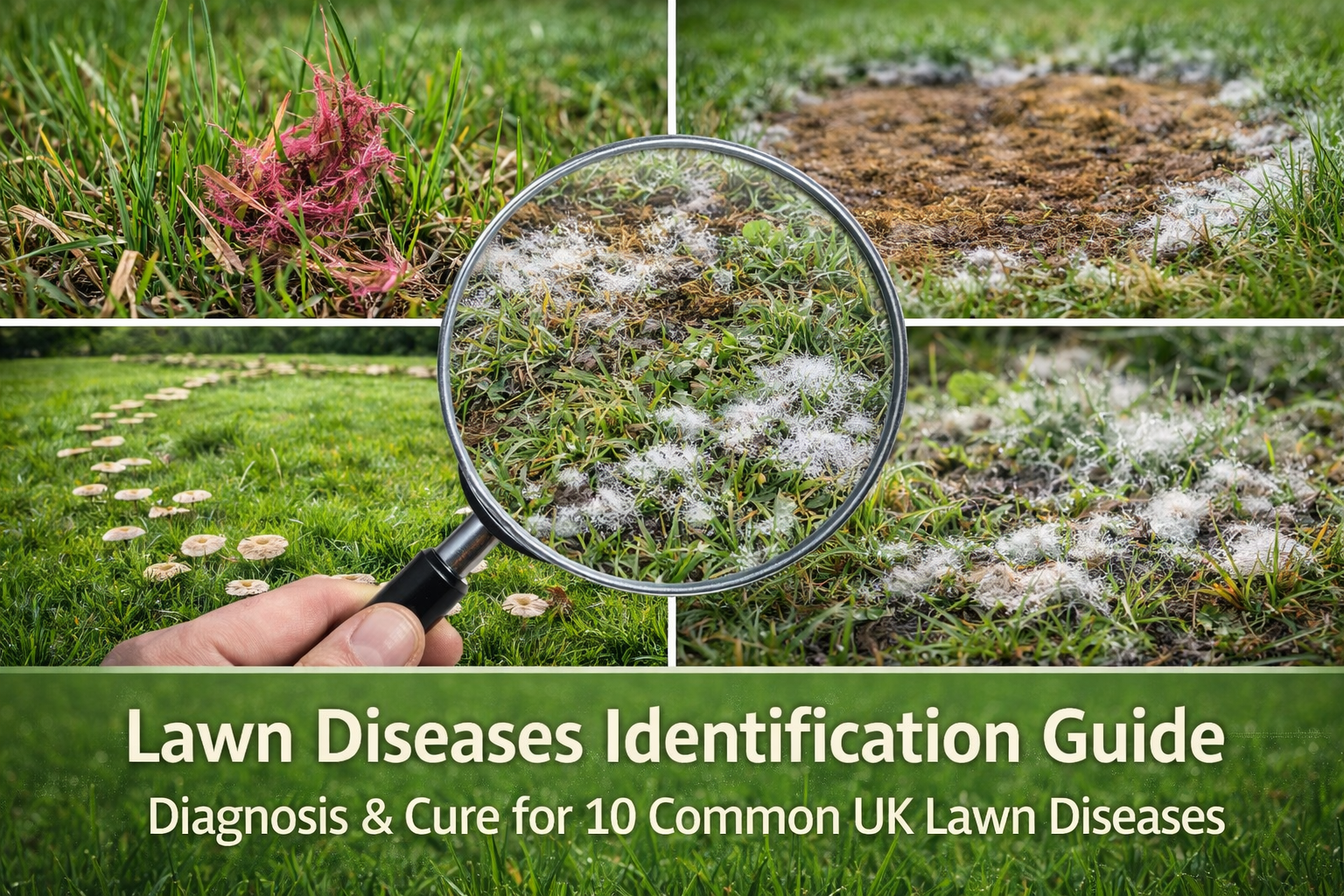
- Disease Prevention: Cold, wet, and poor air circulation are the perfect storm for fungal diseases like Snow Mould (a nasty pink or grey-white fungal patch) and Red Thread.
- Moss Suppression: Moss absolutely loves damp, compacted, and shaded turf. Proper winter prep makes your grass stronger and less welcoming to this invasive weed.
- Frost Damage: The frozen water inside grass leaves is delicate. Walking on a frosted lawn shatters the cell walls, leading to black, dead footprints that can take weeks to disappear. Avoid walking on frosty or frozen grass at all costs.
- Spring Resilience: A well-cared-for lawn in winter has a massive head start when the soil warms up. It wakes up healthy, full of stored energy, and ready to green up faster than its neglected neighbours.
Step-by-Step Winter Lawn Care Preparation (Autumn is Key)
The best defence against winter damage starts in late autumn, ideally between September and November, before the ground truly chills.
The Final, Crucial Mow
Forget the classic summer cutting height. You need to adjust your mower for the last few cuts before sustained cold weather hits.
- Height Increase: For the final mow of the season, raise your mower deck slightly higher than your summer setting, aim for about 40-50mm (around 1.5 to 2 inches).
- Why the Extra Height? Taller grass blades have more surface area for photosynthesis (even weak winter sun helps!) and they insulate the crown and roots of the plant from the cold. Cutting too short leaves the crown vulnerable to frost and disease.
- The Golden Rule: Never leave the grass too long. Long grass tends to lie down under snow or heavy rain, creating a perfect moist, airless environment for Snow Mould.
The All-Important Autumn Feed
This is perhaps the single most important step for resilient winter lawn care. You must apply a specialised Autumn/Winter Fertiliser.
- The NPK Difference: Summer fertilisers are high in Nitrogen (N) to promote lush, fast blade growth. Winter feeds, however, are low in Nitrogen and crucially high in Potassium (K).
- Potassium's Power: Potassium is like the grass plant’s winter coat. It strengthens the cell walls, improves disease resistance, and helps the plant regulate water retention, which is vital when facing freezing temperatures.
- Timing: Apply the feed before the temperatures drop dramatically, giving the grass a chance to absorb the nutrients before dormancy truly sets in.
Aeration and Scarification
If you haven't done these already in late summer/early autumn, now is your last chance before the ground becomes too sodden and frozen.
- Aeration: Use a hollow-tine aerator (or a garden fork for small areas) to punch holes into the soil. This allows water to drain better, gets oxygen to the roots, and relieves compaction. Better drainage means less sitting water, which is the nemesis of a healthy winter lawn.
- Scarification: Removing the thick layer of thatch (dead organic matter) that builds up on the soil surface is essential. Thatch acts like a sponge, holding moisture right on the crown of the grass, which invites moss and disease. A light scarification in early autumn is perfect preparation for winter.
Active Winter Lawn Care: When to Get the Winter Lawn Equipment Out
Once the grass is dormant and the weather is consistently cold, your approach shifts from preparation to damage limitation and monitoring. This is where you put the 'care' into winter lawn care.
Dealing with Leaves and Debris
Fallen leaves are beautiful in the park, but they are a killer for your lawn.
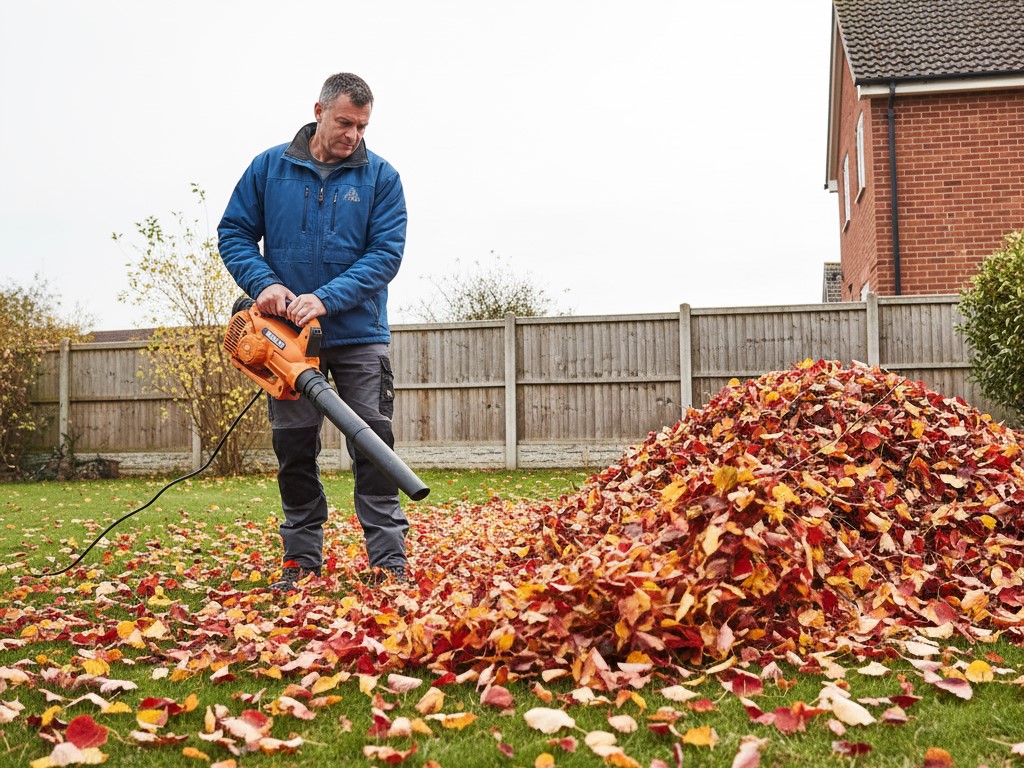
- Clear Immediately: Leaves that sit on the grass block sunlight and trap moisture, creating an anaerobic (lacking oxygen) environment beneath them. This quickly encourages fungal growth and causes the grass underneath to turn yellow and die.
- Method: Rake, blow, or use a lightweight leaf collector. Do this regularly—ideally once a week—throughout the leaf-fall season. A blower/vac is a fantastic piece of winter lawn equipment to invest in for this task.
The Fight Against Compaction
The number one rule in winter is minimise traffic.
- Avoid Wet and Frozen Grass: As mentioned, walking on a frozen lawn shatters the grass cells. Walking on a waterlogged, saturated lawn compacts the soil incredibly quickly. The weight of your foot pushes the water out, squeezing the life out of the soil structure and making it harder for roots to breathe and water to drain.
- Designated Paths: If you must cross the lawn, try to use the exact same path each time to limit the area of damage, or better yet, avoid it completely.
The Occasional Winter Mow (If Needed)
A typical UK winter means you might not need to mow at all for 8-10 weeks. However, if you get a mild spell (a "winter thaw") where temperatures climb consistently above 10C for several days, your grass might wake up and try to grow.
- Check First: Only mow if the grass is definitely growing and the soil is firm (not saturated).
- Keep it High: Maintain your 40-50mm cutting height. This is just a light trim to maintain neatness and prevent the grass from getting overly long and flopping over.
- Catch the Clippings: Always use your grass box to remove all clippings during a winter cut. Leaving them on the lawn adds to the damp, disease-friendly layer of debris.
Managing Moss and Disease
Moss is a winter problem, but you should treat it strategically.
- Moss Treatment: While iron sulphate-based moss killers are effective, applying them in the depths of winter means the dead moss may sit on the lawn for weeks, creating more debris. It’s often better to prevent it through good drainage and aeration in autumn, and then apply a moss killer in late winter/early spring when the weather is warm enough for the lawn to recover quickly after the moss is removed.
- Fungal Watch: Keep an eye out for Snow Mould. If you spot it, gently rake out the affected areas to encourage airflow and treat with a specialised turf fungicide if the outbreak is severe. Good air circulation is often the best medicine.
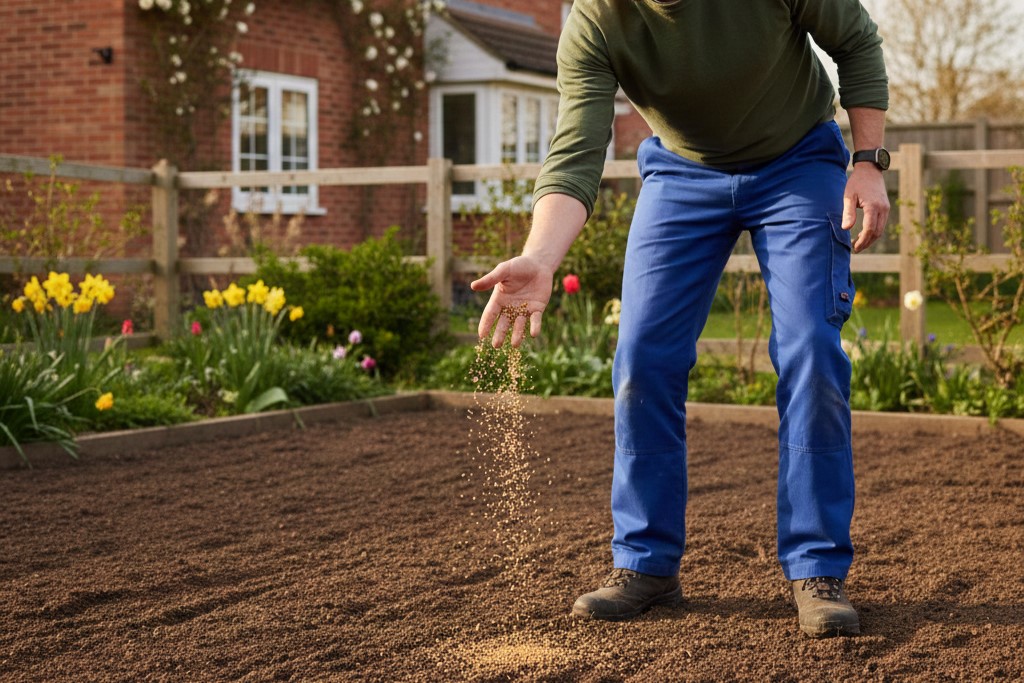
Can You Sow Winter Grass Seed? The Truth About Overseeding
One common question is whether you can use winter grass seed or overseed during the cold period. The short answer is, it's generally ill-advised for the average DIYer.

The Temperature Hurdle
Grass seed needs warmth and moisture to germinate successfully.
- Soil Temperature Threshold: Most grass seeds (especially the Ryegrass/Fescue mixes used in the UK) require a consistent soil temperature of at least 8-10C to reliably germinate.
- Risks of Winter Sowing: If you sow seed in colder conditions, it either won't germinate at all (and will likely be eaten by birds or rot) or it will germinate very slowly and produce extremely weak, vulnerable seedlings that will be wiped out by the first heavy frost or snow. You'll just be wasting your time and money.
When to Overseed
- Ideal Timing: Early Autumn (September/October) is the absolute best time for overseeding in the UK. The soil is warm from the summer, but the air temperatures are cooling, providing the perfect balance of warmth for quick germination and less competition from weeds.
- Second Best: Early spring, as soon as the threat of hard frost has passed and the soil begins to warm up (usually March/April).
While you might find specialist 'cold temperature' mixes, these are typically aimed at professionals and often require very specific, consistent conditions. For the home enthusiast, save your winter grass seed for early autumn or spring.
Essential Winter Lawn Equipment: Tools for the Task
You don't need a massive investment to get your winter lawn care right, but a few key pieces of winter lawn equipment will make the job much easier and more effective.
- Leaf Blower/Collector: As discussed, this is the most efficient way to keep your turf clear of debris and prevent disease. A decent electric blower/vac is lightweight and perfect for a standard garden.
- A Good Rake: A wide, flexible leaf rake is indispensable for gentle clearing. A lawn scarifying rake (with firm, sharp tines) is handy for gently raking out small patches of moss or debris after a mild spell.
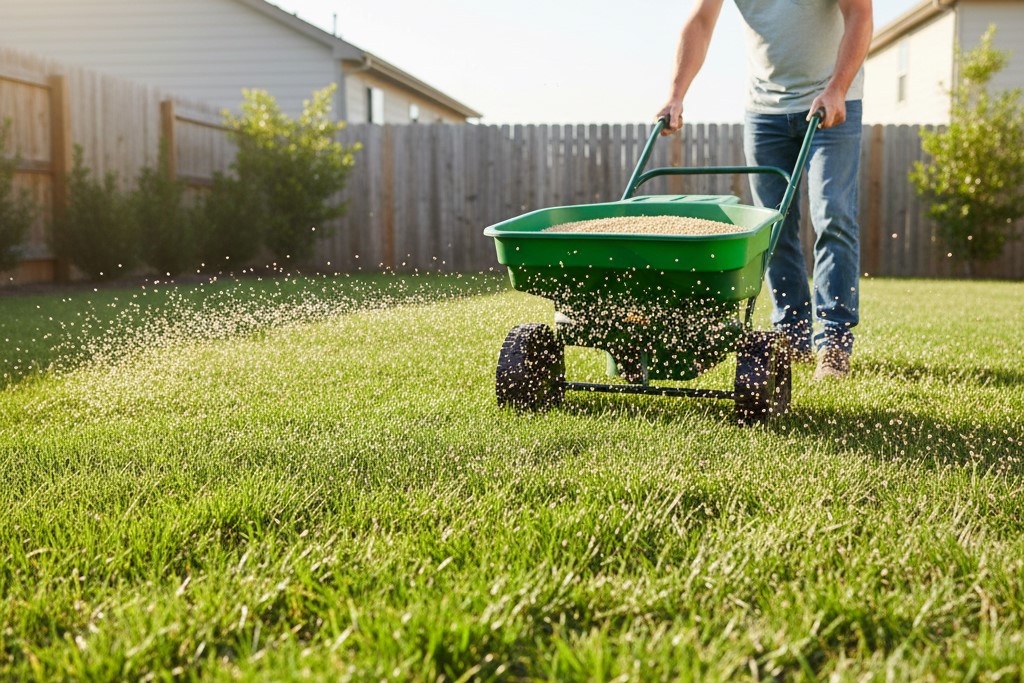
- Broadcast Spreader: For applying your autumn/winter fertiliser accurately. Hand-spreading is never as even and can lead to stripes of over- or under-fed grass. A simple drop or rotary spreader ensures consistent application.
- Wellingtons/Boots: Non-negotiable for walking on a damp lawn. Keep your fancy trainers inside and put on sturdy, waterproof boots that will keep your feet dry and stop you from slipping!
The Pay-Off: Preparing for the Spring Wake-Up
The work you do now—or rather, the discipline you show in winter lawn care, is your down-payment on the perfect summer lawn. By ensuring good drainage, adequate nutrition (the Potassium boost!), and minimal stress, you are building resilience.
When the soil temperature eventually rises back to 10C in the spring, your grass won't be emerging from a battle with disease, heavy compaction, or nutrient deficiency. It will be robust, well-nourished, and ready to green up almost instantly, giving you that jaw-dropping, envy-worthy patch of turf you’ve worked so hard for.
Remember, winter isn't a time to forget about your lawn, it’s a time for smart, strategic care. Respect the dormant lawn, keep the leaves off, and be patient. Your reward will be the lushest, fastest spring growth in your neighbourhood.
0 Comments