

Welcome to the club! You’ve got a beautiful new lawn, you've got your gardening gloves ready, and then... you introduce a wonderful, tail-wagging, four-legged friend into the mix. Suddenly, those pristine green stripes start looking a bit patchy. If you've been staring at those dreaded circular dog urine spots on lawn and wondering if a perfect garden and a happy dog can truly coexist, you're not alone. It's one of the most common and frustrating dilemmas for UK homeowners.
The good news is that you absolutely can have a lush, envy-worthy lawn and a happy pup. It just requires a specific, and frankly, smarter, approach to pet safe lawn care. Forget the myth that you have to choose between the two. In this comprehensive guide, we're going to dive deep into exactly how to grow grass with dogs and, more importantly, maintain it so you can finally put those brown spots behind you. We'll simplify the science, give you actionable steps, and ensure your lawn is durable enough to handle zoomies without turning into a mud pit. Ready to become a dog-owning lawn master? Let’s get started.
The Science Behind the 'Burn': Why Dog Urine Creates Brown Patches
To fix the problem, we first have to understand it. Those ugly brown spots aren't caused by your dog's urine being acidic, as is commonly believed, nor is it a sign your dog has a problem. The actual culprit is far simpler: nitrogen—or, more accurately, the nitrogen concentration.
Dog urine is rich in nitrogen, a byproduct of protein digestion. Nitrogen is a necessary nutrient for grass, but in high doses, it acts like a concentrated salt, essentially over-fertilising and burning the grass roots and leaves.
Think of it like this: a little nitrogen is a delicious treat for your grass, helping it grow green and strong. A huge, concentrated slug of nitrogen is an overwhelming overdose. This overdose draws moisture out of the grass roots faster than the plant can absorb it, causing dehydration and the tell-tale brown patch.
Interestingly, sometimes you’ll see a ring of darker, greener grass around the brown spot. This is the 'goldilocks zone' where the nitrogen has been diluted just enough to act as a potent fertiliser, confirming that nitrogen concentration is the true issue.
The Three-Pillar Strategy for Pet Safe Lawn Care
Tackling this challenge requires a three-pronged attack. Simply treating the brown patches isn't enough; you need a proactive strategy covering dog management, lawn resilience, and repair. This is the blueprint for true, sustainable pet safe lawn care.
1. Proactive Management: Dilution and Hydration
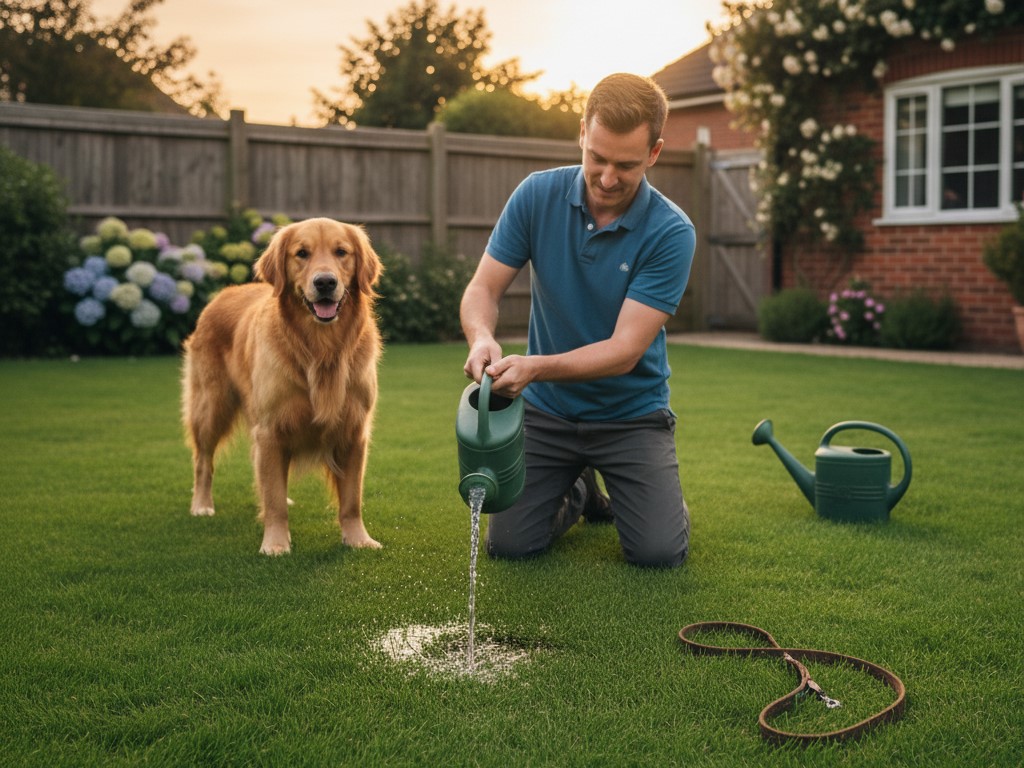
The simplest and most immediate solution is to dilute the urine before it can burn the grass. This tackles the core issue of nitrogen concentration head-on.
Actionable Steps for Dilution:
- Follow and Flush: The moment your dog finishes doing their business, follow up with a quick dash of water. A watering can or a hose on a light spray setting will do. The goal is to flush the concentrated nitrogen into the soil and spread it out. Even a cup of water per spot makes a massive difference.
- Encourage Hydration: A more hydrated dog will produce less concentrated urine. Always ensure your dog has access to plenty of fresh water. You might even consider adding a second water bowl outside near the back door as a gentle reminder. Always consult your vet before making any dietary changes or adding supplements.
- Rethink Supplements: While there are products on the market claiming to neutralise dog urine, they often contain ingredients that can affect the dog’s health or the lawn's balance. Focus on dilution and maintenance first, as these are the safest and most effective methods.
2. Lawn Resilience: Getting Tough Grass for Dogs
A sickly, stressed lawn will burn faster than a healthy, robust one. Your lawn's resilience—its ability to bounce back—is crucial when learning how to grow grass with dogs.
- Soil Health is King: A well-aerated, healthy soil structure allows urine to pass through and dilute more quickly. Compacted soil holds the nitrogen right near the grass crowns. Aerate your lawn at least once a year.
- The Power of Good Watering: Deep, infrequent watering encourages deep grass roots, which makes the plant more resilient. Shallow, daily watering keeps the roots near the surface, making them more vulnerable to the 'salt burn' of concentrated urine.
- Raise the Mower: Longer grass is tougher grass. Set your mower to the highest setting, typically 3-4 inches. The longer blades provide more surface area for photosynthesis, leading to a stronger plant overall, and it provides a bit of protection to the soil surface.
3. Repair and Recovery: Fixing Dog Urine Spots on Lawn
You’ve got a proactive plan, but what about those existing dog urine spots on lawn? Don't panic; they are treatable.
The Simple Patching Method:
- Rake Out the Dead Stuff: Use a hand rake to aggressively remove all the dead, brown grass in the patch. You need to get down to the soil level.
- Rinse Thoroughly: Douse the bare soil with water. You are flushing any residual, concentrated nitrogen away from the immediate area.
- Top-Dress: Apply a thin layer of fresh topsoil or a soil/compost mix to the patch. This provides a clean, nutrient-rich bed for new seed.
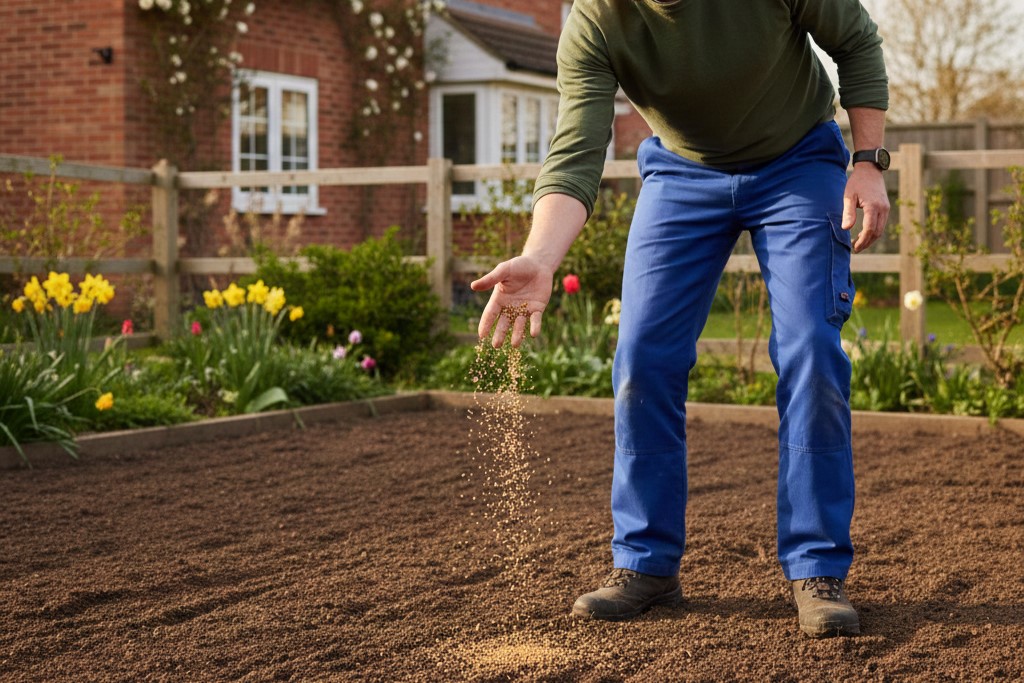
- Seed with Purpose: Choose a hard-wearing, fast-germinating grass seed mix (more on this in the next section). Scatter the seed a little thicker than you would for overseeding a whole lawn.
- Pat and Water: Gently pat the seed into the topsoil. Water daily (or twice a day if it's warm) until the new seedlings are established. The biggest mistake here is letting the patch dry out.
Choosing and Establishing Tough Grass for Dogs
One of the best long-term solutions for how to grow grass with dogs is to simply choose the right cultivar. Some grasses are naturally more durable and tolerant of high traffic and nitrogen stress.
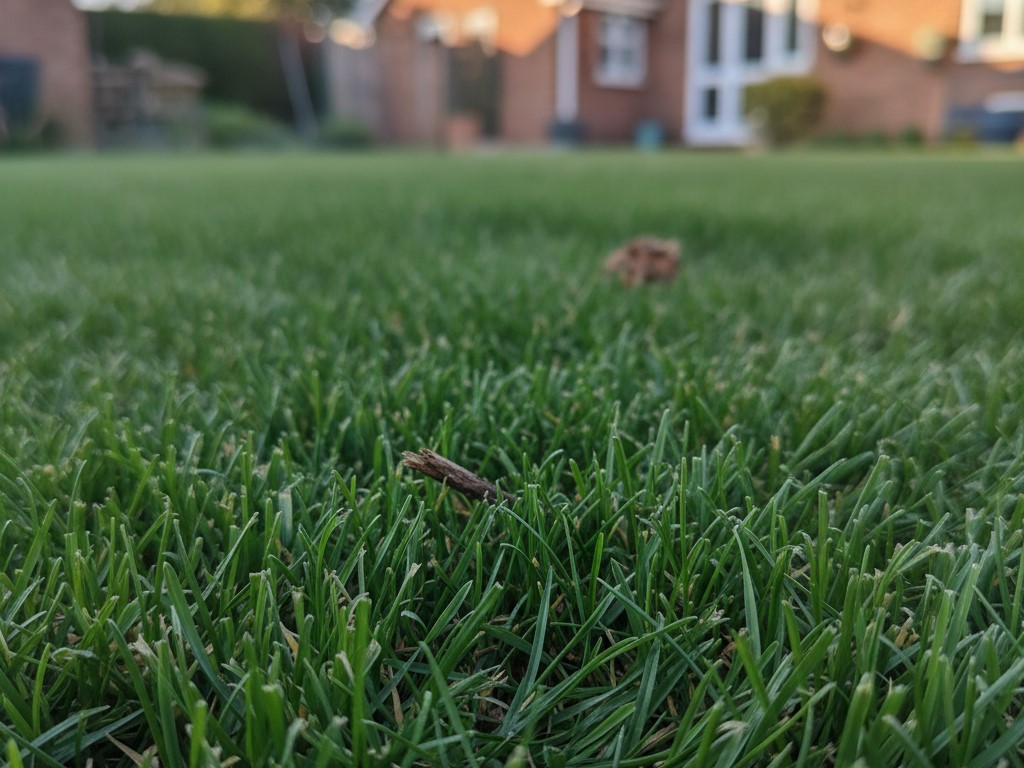
The Best Grasses for a Dog-Friendly Lawn (UK)
In the UK, a quality blend is usually your best bet, as it offers a mix of hardiness and visual appeal. Look for mixes that heavily feature:
- Perennial Ryegrass (Lolium perenne): This is the workhorse of UK lawns. It germinates quickly, is incredibly durable, and offers excellent wear tolerance—perfect for resisting zoomies and general paw traffic.
- Strong and Creeping Red Fescue (Festuca rubra): Fescues are great for establishing strong, dense turf. The 'creeping' varieties spread by rhizomes (underground stems), which helps the lawn repair itself naturally from damage and wear.
- Smooth-stalked Meadow-grass (Kentucky Bluegrass, Poa pratensis): While slower to establish, this grass creates a dense, tough sward and has excellent recovery properties due to its strong root system. It’s an ideal addition to a hardy mix.
Key takeaway: When buying seed, look for terms like "Hard-wearing," "Sport," or "Repair Mix." These are engineered to be tough grass for dogs and families alike.
The Secret to Seeding Success: Seed-to-Soil Contact
Whether you are patching a spot or overseeding the whole lawn, seed-to-soil contact is the absolute key to success. If the seed is just sitting on top of the thatch, it won't germinate properly.
- Preparation: Remove dead debris (scarification) and slightly loosen the top layer of soil with a rake.
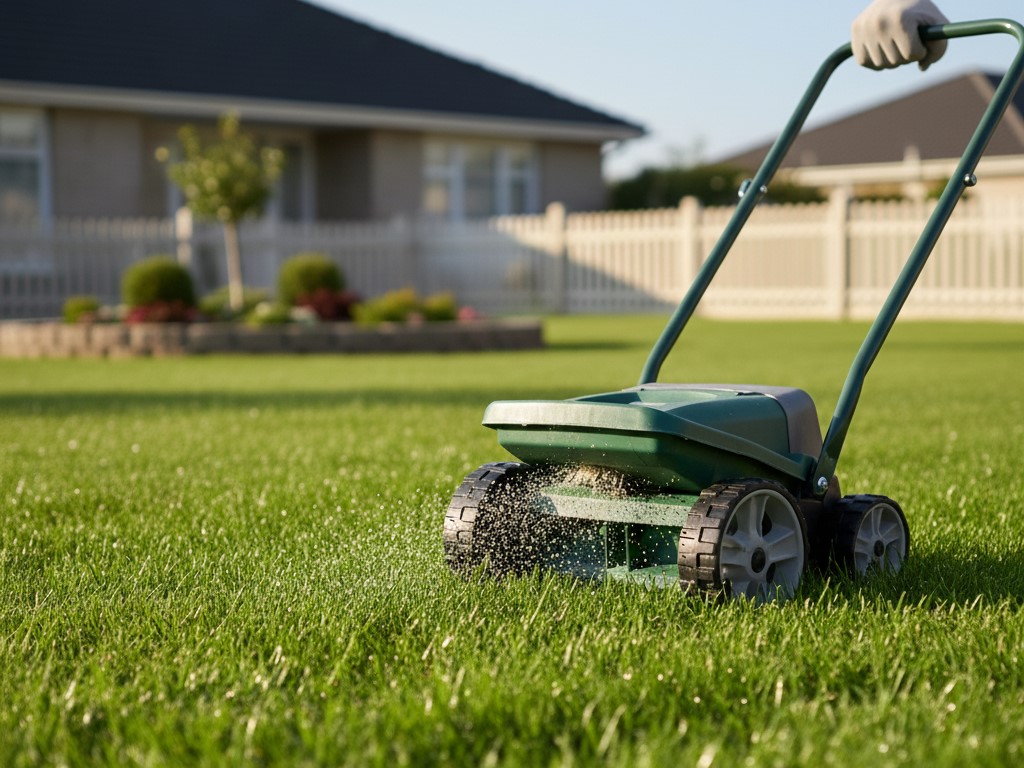
- Sow: Distribute the seed evenly.
- Contact: Either lightly rake the seed into the soil or roll the area with a lightweight lawn roller to press the seed down.
- Cover (Optional but Recommended): A thin layer of top-dressing or peat-free compost over the seed protects it from birds and helps retain moisture.
Pet Safe Lawn Care: Chemical and Fertiliser Considerations
If you have a dog, you must be hyper-aware of what you put on your lawn. The joy of a green lawn is quickly diminished if you are worried about your dog's health.
Fertiliser Wisdom
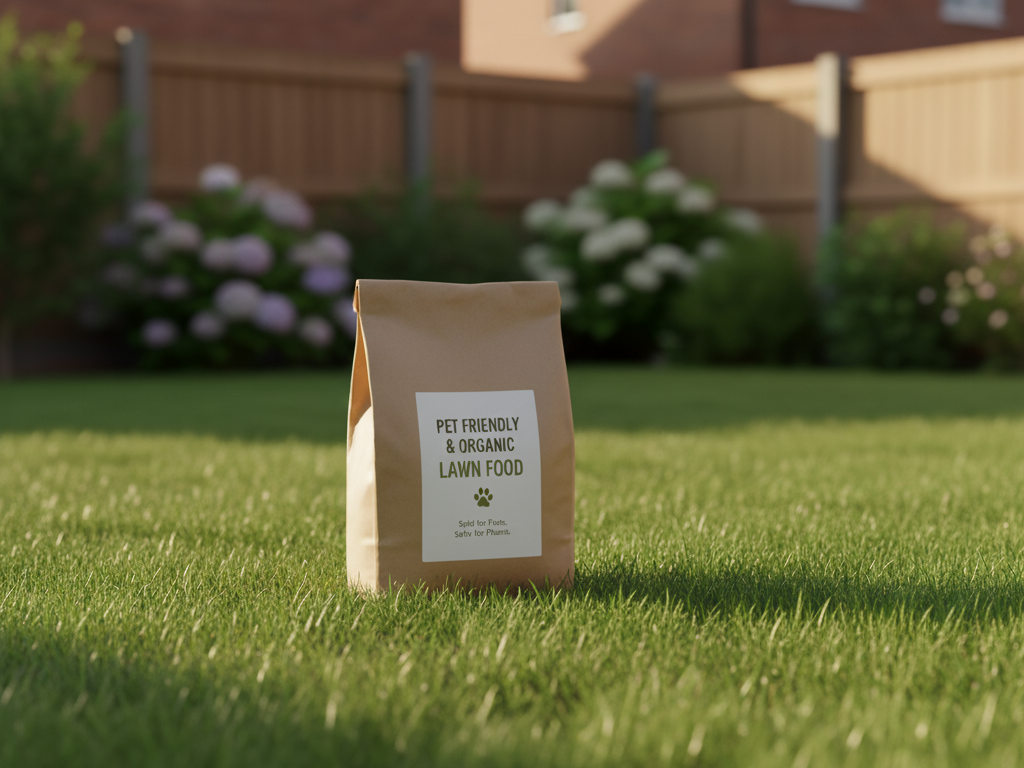
- Avoid Granular Feeders: Granular lawn feed can stick to paws and fur, potentially being ingested by your dog. If you must use a granular feed, ensure you water it in thoroughly and keep your dog off the lawn until the granules have completely dissolved.
- Opt for Organic or Liquid Feeds: Organic fertilisers (like seaweed extract) are often much safer and less likely to cause issues. Liquid fertilisers are absorbed quickly. After applying any fertiliser, allow it to dry completely (usually 24-48 hours) before letting your dog back on the area.
- The Nitrogen Balance: Since dog urine adds nitrogen, you might want to choose a lawn fertiliser that is lower in nitrogen and perhaps higher in potassium (K), which helps with overall plant health, stress tolerance, and disease resistance. Look at the N-P-K ratio on the packet and aim for one with a lower first number (N).
Weed and Moss Killers
Most chemical weed and moss killers contain ingredients that are toxic to pets, especially if they are licked or ingested before they are fully dry and absorbed.
- Read the Label: The product label is your bible. If it doesn't explicitly state that it's safe for pets after the specified drying time, avoid it.
- Natural Alternatives: Consider manual removal for weeds or using less harsh treatments like iron sulphate for moss (while still taking precautions, as this can stain paws and paths).
- Drying Time is Non-Negotiable: If you use a chemical treatment, keep your dog off the lawn for the full recommended period, plus a buffer—often 48 hours. Seriously. Don't risk it.
Practical Solutions for Preventing Dog Urine Spots
Beyond the soil science and product choices, a few simple behavioural changes can dramatically reduce the likelihood of those pesky brown patches appearing. This is where your management skills really shine!
- Designated Toilet Area: If you have the space, train your dog to use a specific, non-grass area. This could be a patch of bark mulch, a gravel patch, or even a small section of artificial turf. Use positive reinforcement (treats!) to make this spot the most desirable place for toileting.
- The 'Walkies' Rule: Make sure your dog has a chance to relieve themselves properly on their morning and evening walks before they get onto the back lawn. A dog that has already emptied its bladder will cause less concentrated damage when they go again on the grass.
- Routine and Timing: Dogs are creatures of habit. If you can establish a routine for when they go to the toilet, you are better able to follow up with the essential dilution step.
By tackling this issue with patience and a structured plan, you will find that achieving a perfect lawn and owning a happy dog is not a pipe dream—it's a perfectly achievable goal. Armed with this knowledge, you are now fully equipped on how to grow grass with dogs and keep it looking its absolute best, without having to pay a professional. You’ve got this! Now go enjoy that wonderfully green, resilient garden!
0 Comments