
Hello there, fellow lawn enthusiast! We’ve all been there: you’re admiring your perfectly striped, lush green oasis, feeling that deep satisfaction only a well-kept lawn can bring, and then... you spot it. A fresh mound of soil, a patch of ripped-up turf, or maybe just a vague feeling that something isn't quite right. If you’re wondering how to get rid of lawn pests and reclaim your turf from those sneaky invaders, you’ve come to the right place.
As a homeowner and dedicated DIYer, the battle against lawn pests can feel overwhelming. These aren't just cosmetic issues; unaddressed, a persistent pest problem can destroy your root system, leaving you with patchy, expensive-to-repair damage. But don't worry! You don't need to hire an expensive professional. With a bit of expert knowledge, a solid plan, and some elbow grease, you can identify the culprit, deploy the right counter-measures, and secure your lawn for the long haul.
This comprehensive guide is your complete battle plan. We’re going to master lawn pest identification, cover the most effective and often natural pest control methods, and—crucially—show you how to make your lawn so resilient that pests will look elsewhere for their next meal.
Mastering Lawn Pest Identification: Know Your Enemy
The first, and most critical, step in any successful battle is to know exactly who you’re fighting. Different pests cause different damage and require entirely different strategies. Misdiagnosis is the number one reason why lawn treatments fail! Let's break down the usual suspects you'll find in the UK.
The Digging Disruptors: Moles
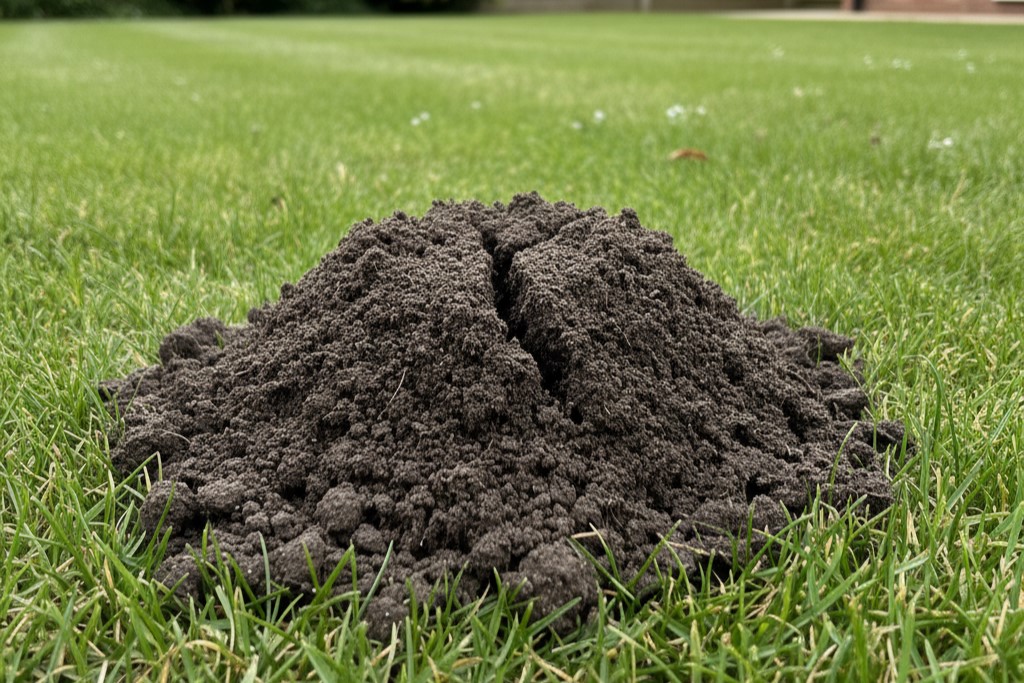
The mole isn't technically a lawn pest in the traditional sense, as they don't eat your grass roots. However, the sheer damage they cause is a massive headache. They're actually carnivores, feasting mainly on earthworms and soil insects.
- Tell-Tale Signs: The classic, cone-shaped molehill is the unmistakable sign. You might also see raised ridges or tunnels just below the surface of the lawn as they hunt.
- The Damage: They don't eat the lawn, but their tunnelling breaks up the root system, dries out the soil, and leaves unsightly soil mounds all over your pristine turf.
- The Primary Goal: The issue here isn't killing them; it's getting them to relocate safely outside your garden boundary. We'll cover mole control in lawn later.
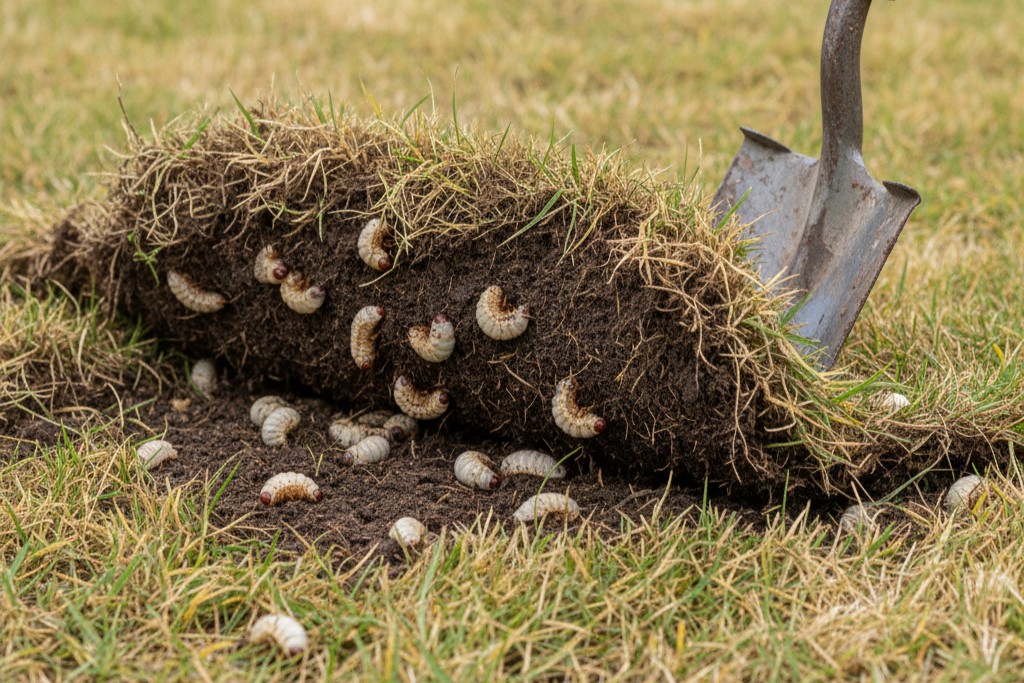
The Root-Eating Ravagers: Grubs (Leatherjackets and Chafer Grubs)
This is where the real, root-system-killing damage happens. Grubs are the larvae of flying insects (like crane flies and chafer beetles) and they are absolute machines when it comes to munching on your tender grass roots.
- Tell-Tale Signs:
- Irregular brown patches that don’t respond to watering.
- The 'Roll-Up' Test: If you can easily peel back a patch of turf like a rug (because the roots have been severed), you have a grub problem.
- Secondary Damage: Birds (like crows and magpies) and badgers/foxes start tearing up your lawn. They are hunting the grubs, which is a clear sign there's a feast waiting beneath the surface.
- The Culprits:
- Leatherjackets: These are the larvae of the crane fly (often called 'daddy long-legs'). They are long, grey/brown, and legless. They feed from autumn through to spring and can cause serious damage over winter.
- Chafer Grubs: These are the larvae of the chafer beetle (Garden Chafer is common). They are C-shaped, creamy white, and have distinct legs near their head. They feed heavily in late summer and autumn.
- The Damage: They eat the roots, severing the connection between the grass blades and the soil. This prevents the grass from taking up water and nutrients, leading to death.
Other Nuisances: Ants and Worm Casts
While not as destructive as grubs, these can still ruin the look and feel of a perfect lawn.
- Ants: They build nests, which create unsightly mounds of dry soil. These nests can also indirectly affect the roots by making the soil too dry or compacted in that specific spot.
- Worm Casts: These small, muddy piles are the excretions of earthworms. While earthworms are fantastic for soil health and aeration, their casts can be annoying when you mow, as they smear and create muddy patches.
Your Primary Pest Control Strategies
Now that we know who we're dealing with, let's get into the specifics of how to get rid of lawn pests using highly effective, manageable methods. We always favour targeted, environmentally conscious approaches first.
1. Addressing the Root-Eaters: Grubs (Leatherjackets & Chafer Grubs)
Grubs are arguably the most destructive pest, so they need a comprehensive plan. Because they are subsurface pests, traditional sprays often don’t cut it.
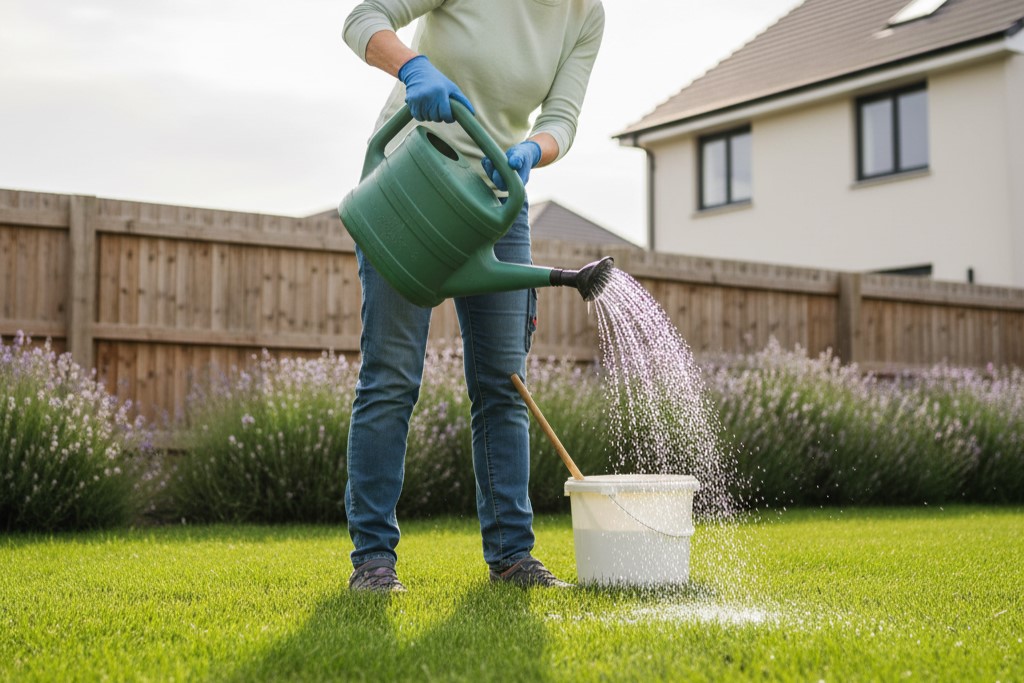
- Biological Control with Nematodes: This is the gold standard for natural pest control against grubs in the UK.
- What are they? Nematodes are naturally occurring, microscopic, insect-parasitic worms. You apply them to your lawn, and they actively hunt out the grubs, entering them and releasing bacteria that kill the grub from the inside.
- Timing is Everything: This is crucial. Nematodes are a living treatment and require the soil to be moist and warm enough to be effective.
- Leatherjackets: Apply in September/October.
- Chafer Grubs: Apply in July/August.
- Application Tips: Apply them on a damp day (or heavily water the lawn first). Keep the lawn moist for at least two weeks after application. Follow the supplier’s instructions precisely regarding concentration and water volume—it’s a living product!
- Cultural Control: Make your lawn less appealing to the adult insects.
- Aeration and Scarification: A healthy lawn is less susceptible.
- Check Drainage: Crane flies and chafer beetles prefer to lay eggs in moist, soft soil. Improving drainage can make your lawn less attractive to them.
2. Mastering Mole Control in Lawn
Getting rid of the mole isn't the challenge; keeping them out is. We are focusing on deterrents and physical removal methods here, as using poisons is illegal and harmful to the environment and other wildlife.
- Trapping (The Professional Approach): For serious infestations, a professional mole catcher is often the most humane and fastest option. They use specialist spring traps (like Talpex or Duffus) placed directly in the main tunnel runs.
- Note: Only attempt this yourself if you are fully trained and confident; incorrect trapping can cause unnecessary suffering.
- Gassing & Smoke Bombs (Caution): Gas pellets (containing aluminium phosphide) are available to professionals only. Over-the-counter smoke bombs are often ineffective as the moles can easily block off the tunnel.
- Deterrents (The DIY Approach): Moles have poor eyesight but fantastic senses of smell and touch.
- Vibrating/Sonic Spikes: These are pushed into the ground and emit a vibration or high-pitched sound. Results are mixed—they may just move the mole a few metres away.
- Smell Deterrents: Placing strong-smelling items in the active tunnels, like pieces of cotton wool soaked in castor oil, can sometimes encourage them to move on.
- The Crucial Step: Collapse the Tunnels: After you think the mole has gone, tread down all the mounds and raised tunnels. If a new mound appears within 24-48 hours, the mole is still active and you need to continue the fight.
3. Dealing with Ants and Worm Casts
These are less about 'pest control' and more about management and cultural adjustments.
- Ants:
- Physical Disturbance: The easiest solution is often to water the area heavily, wait a few hours, and then gently sweep or brush the soil from the nest away. They will usually relocate.
- Boiling Water (Last Resort): This is controversial and can kill your grass, but pouring boiling water directly into the nest entrance will destroy the colony. Use this method sparingly.
- Worm Casts:
- Do Not Rake: If you rake or mow over the casts while they are wet, you will smear them all over the lawn, resulting in a muddy, uneven surface.
- Brush When Dry: Wait for the casts to fully dry out. Then, use a stiff brush or a bamboo cane to gently sweep the casts, breaking them up and scattering the soil back into the turf canopy.
- Consider a 'Worm Cast Control' Product: Products that contain sulphates can discourage earthworms from coming to the surface for a temporary period. However, remember earthworms are highly beneficial to soil health overall!
The Preventative Lawn Care System: Making Your Turf Pest-Proof
The best defence is a good offence. If your lawn is a vibrant, dense, and healthy ecosystem, it will be naturally more resilient to damage and less appealing to egg-laying insects and foraging animals. Preventative lawn care is not just a buzzword; it's the most effective, long-term how to get rid of lawn pests strategy.
1. Focus on Soil Health
Pests thrive in poor soil. A dense thatch layer, compaction, and weak root systems are an open invitation.
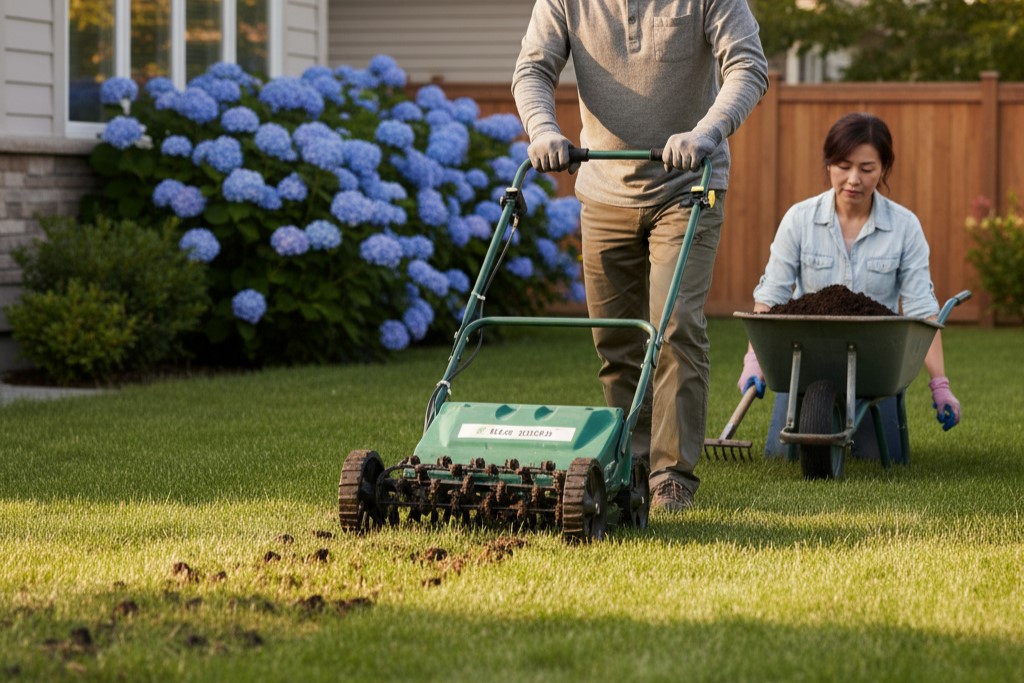
- Aeration: Regularly aerate the lawn (at least once a year, ideally in autumn). This relieves compaction, allowing air, water, and nutrients to penetrate deeper, encouraging a strong root system that can withstand minor damage.
- Thatch Control: Scarify the lawn annually to remove the excessive build-up of dead organic matter (thatch). Thatch provides cover for pests and prevents treatments from reaching the soil.
- Manage Soil pH: Understanding your soil pH is critical. A simple soil test kit will tell you this. Most grasses prefer a slightly acidic to neutral pH (around 6.0 to 7.0). Adjusting the pH can indirectly make the environment less conducive for certain pests.
2. Smart Watering and Feeding
Strong, healthy grass recovers faster and is harder to damage.
- Deep, Infrequent Watering: Water deeply (to saturate the root zone) but less frequently. This encourages the roots to grow deeper, making them tougher and harder for grubs to sever. Shallow watering encourages weak, surface roots.
- Correct Fertilisation: Use a balanced, slow-release fertiliser tailored to the UK season.
- Spring/Summer: Focus on Nitrogen (N) for strong blade growth.
- Autumn: Use a 'Winteriser' feed, which is high in Potassium (K) to strengthen the roots and prepare the grass for the stresses of the cold season.
3. The Power of Height
Don't scalp your lawn! Cutting the grass too short stresses the plant, making it weak and vulnerable.
- Maintain Height: Keep your mower blades set higher. Longer grass blades shade the soil, keeping it cooler and helping to retain moisture. This promotes healthier roots and reduces stress, making it less likely to suffer significant damage from pests.
- Mulch-Mowing: If you have a mulching mower, leaving the fine clippings on the lawn returns valuable nutrients and organic matter to the soil, further improving its health and resilience.
Summary of Your Ultimate Lawn Pest Battle Plan
The key to long-term success is moving away from reactive treatments and embracing a preventative lawn care routine. Think of it like a fortress: you want to build walls so strong that the enemy can't get in, or if they do, they can't cause much damage.
| Pest Category | Primary Solution | Timing/Best Practice |
| Grubs (Leatherjackets/Chafer) | Biological Nematodes | Late Summer/Early Autumn (Soil must be warm and moist) |
| Moles | Professional Trapping/Sonic Deterrents | Immediately upon spotting the first mound |
| Ants/Worm Casts | Cultural/Physical Removal | Brush off when dry; heavy watering/gentle disturbance for ants |
| General Pest Prevention | Aeration, Fertilisation, and High Mowing | Annually/Seasonally (Build a resilient turf) |
By following these actionable steps—from precise lawn pest identification to the smart deployment of natural pest control—you are now fully equipped to take back your lawn. It’s a marathon, not a sprint, but the satisfaction of standing on a perfect, pest-free lawn that you created is absolutely worth the effort. Now get out there and enjoy the envy of your neighbours!

0 Comments