
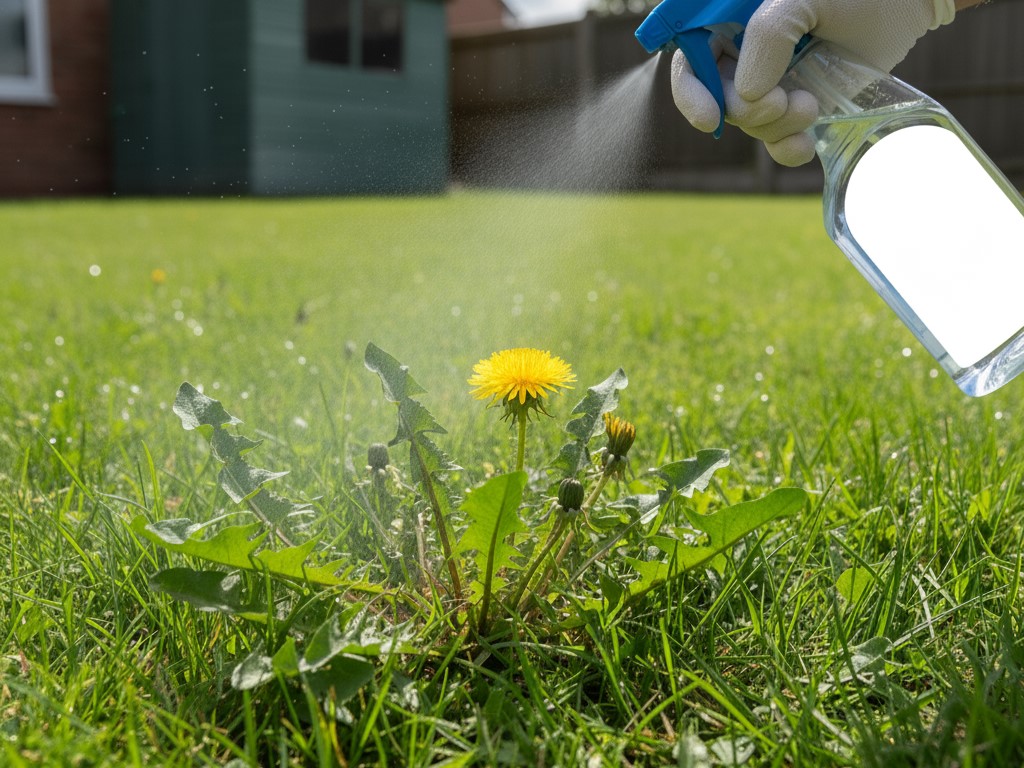
Let’s be honest, few things are as soul-crushing for a proud new homeowner as looking out at a promising green canvas only to see it dotted with yellow heads, tenacious little leaves, and what looks suspiciously like miniature jungles popping up between your precious blades of grass.
You want them gone. You want them gone yesterday. But a little voice in the back of your head is screaming, "What if I mess up? What if I kill the entire lawn along with the weeds?"
You're not alone in that anxiety! It’s the single biggest fear when tackling lawn weeds. The good news is that banishing those unwelcome guests without turning your perfect patch into a patch of straw is completely achievable. All you need is the right knowledge (and the right product!).
This comprehensive guide is your personal handbook to understanding, identifying, and conquering those pesky invaders. We're going to dive deep into exactly how selective weed killers work, the key UK products that deliver results, and the simple DIY methods you can employ today. By the end of this, you’ll be armed with the secret to finding the best weed killer that won't kill grass and the confidence to use it like a pro.
Ready to take back your lawn? Let’s get started.
What's the Big Secret? Understanding Selective Weed Killers
Before we talk about specific brands, we need to understand the magic ingredient: selective weed control. It sounds like rocket science, but it’s actually incredibly simple once you know the basic principle.
The Science in Simple Terms: How Not to Kill Your Grass
Your lawn grass (usually a mix of fine fescues and ryegrass in the UK) is, botanically speaking, a monocotyledon (or 'monocot'). Most of the weeds we hate—clover, dandelions, plantain—are dicotyledons (or 'dicots'). This difference is the key to our success.
Selective weed killers are specifically formulated to target the unique growth pathways and structures found only in the broad-leaved 'dicot' weeds.
- Monocots (Grass): They have one seed leaf, thin, parallel veins, and a fibrous root system. They essentially shrug off the herbicide.
- Dicots (Weeds): They have two seed leaves, net-like veins, and a central taproot. The herbicide is readily absorbed and disrupts their hormone and nutrient transfer systems, causing them to twist, curl, and eventually die.
The takeaway? When you see a bottle labelled "Weedkiller for Lawns," you are buying a selective herbicide. This product is designed to pass right by your beloved lawn while destroying the competition.
The UK Lawn Weed Identification Masterclass
You can’t treat the problem until you know the enemy. Different weeds require slightly different approaches, and a general spray might not be enough for the really tough ones. Spend ten minutes doing some lawn weed identification—it will save you hours of wasted effort.
Here are the most common UK offenders and their weaknesses:
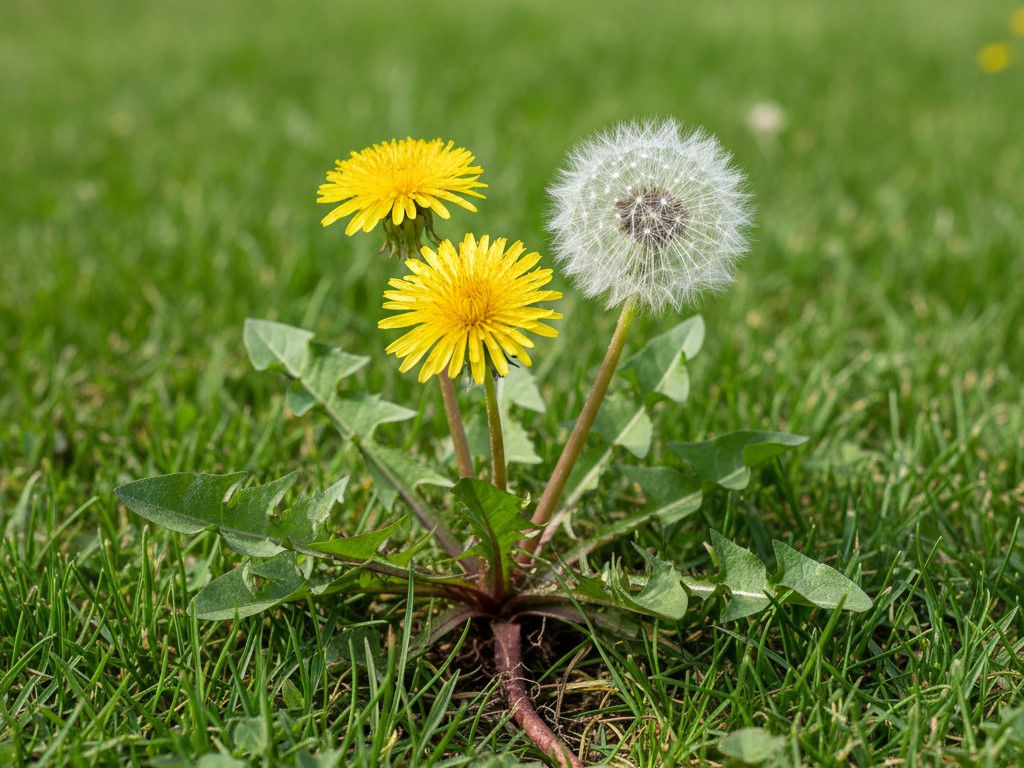
1. The Dandelion (Taraxacum officinale)
- Why they annoy us: Their bright yellow flowers are followed by those fluffy seed heads, allowing them to spread their offspring with reckless abandon. They also have an incredibly long, tough taproot.
- Action Plan: They are easy targets for most selective weed killers. However, due to that deep root, if you are tackling a small patch, a simple weeding knife or extractor tool is highly effective—just make sure you get the entire taproot! If you only take the head off, it will simply regrow, mocking you.
2. Plantain (Plantago major)
- Why they annoy us: These form low-growing rosettes of broad, ribbed leaves that smother the grass underneath, creating bald patches. They are incredibly tough.
- Action Plan: They are a bit more resistant than dandelions. You'll need a good quality selective weedkiller. Often, tackling them in the autumn when they are preparing to store energy in their roots is most effective.

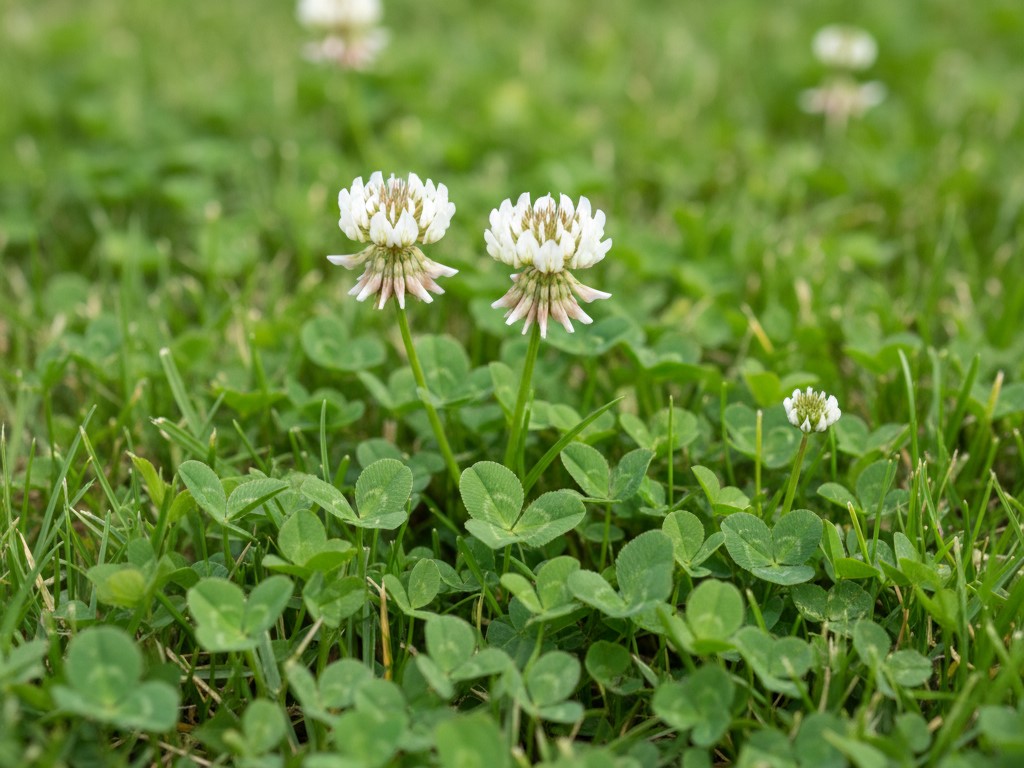
3. Clover (Trifolium repens)
- Why they annoy us: Clover looks nice enough, but it spreads quickly via runners (stolons) and often indicates your soil is low in nitrogen. It creates a very uneven texture in the lawn.
- Action Plan: Clover can be notoriously difficult to eliminate. Look for a selective weed killer that specifically mentions trifolium or clover on the label. Repeated applications might be necessary. Feeding your lawn with a nitrogen-rich fertiliser will also help your grass out-compete the clover naturally.
4. Daisy (Bellis perennis)
- Why they annoy us: They are low-growing, perennial, and pop up everywhere. Like Plantain, they form thick rosettes that choke out the grass.
- Action Plan: They are relatively easy to kill with selective herbicides.

Expert Tip: If you only have a few weeds, don't spray the whole lawn. Spot treatment is more environmentally friendly, cheaper, and faster. Use a targeted spray bottle or a weed killer gel applicator.
Choosing the Best Weed Killer That Won't Kill Grass
Now for the products themselves. The perfect product depends on your lawn's specific needs, your time, and if you have children or pets running around.
The Best Overall Selective Lawn Weedkillers
These professional-grade UK formulations combine several active ingredients to tackle the broadest spectrum of weeds:
| Product Type | Active Ingredients (Look for these) | Best For | Application Tip |
| Liquid Concentrate | 2,4-D, MCPP-P (Mecoprop-P), Dicamba | Large areas, heavy infestation. | Requires a sprayer; offers excellent cost efficiency per square meter. |
| Weed & Feed Granules | Selective Herbicide + Nitrogen Fertiliser | General maintenance, prevention. | Apply via a spreader; feeds the grass while killing weeds simultaneously. |
| Ready-to-Use Spray | Typically low concentrations of MCPP-P. | Spot treatments, small urban gardens. | Convenient and quick, but more expensive for large areas. |
The Gold Standard: When buying, look for products that contain a combination of 2,4-D, Mecoprop-P, and Dicamba. This three-pronged attack ensures you cover the widest range of weeds, including the tougher ones like Plantain and Clover.
The Search for Pet Safe Weed Killer
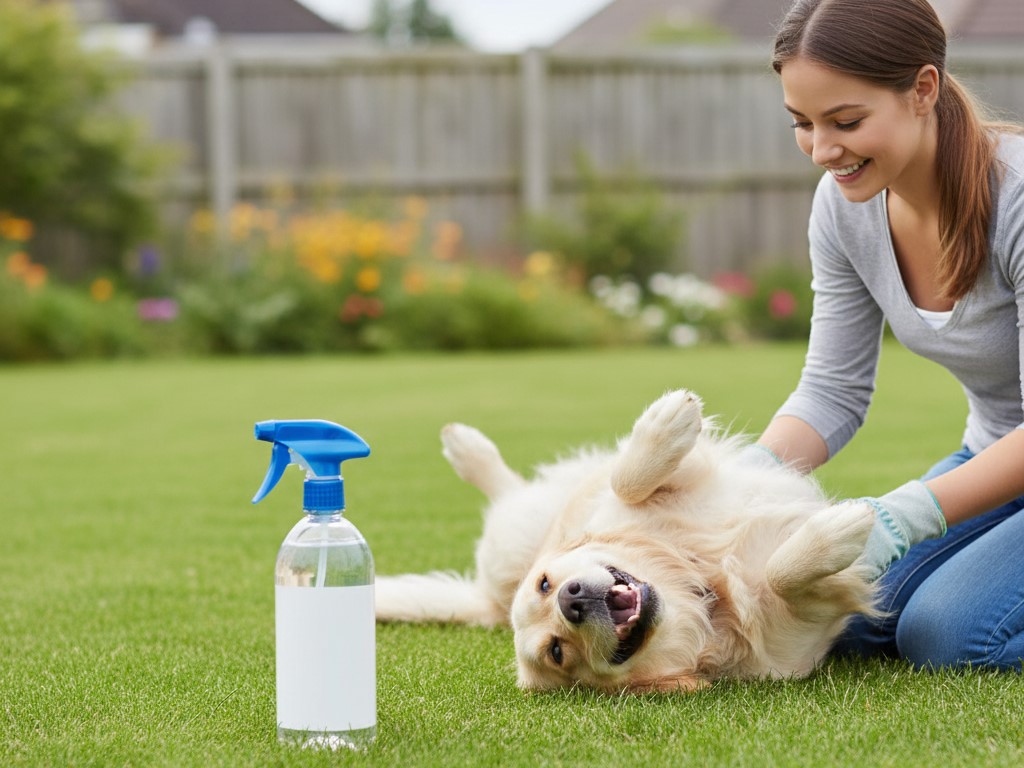
This is one of the most common questions we get! If you have pets (or young children) using the lawn, safety is the number one priority.
The Reality of "Pet Safe": Almost all chemical selective weed killers require a period of time to dry and be absorbed before it’s genuinely safe for pets to walk on the lawn.
- Read the Label: The product label is the final word. Most manufacturers recommend keeping pets off the lawn for at least 24 to 48 hours after application. Do not let pets consume treated grass clippings.
- Natural/Organic Alternatives: If you absolutely need an immediate, non-chemical solution, you have two primary options:
- Manual Removal: Nothing is safer than your own two hands and a good weeding tool. It requires effort, but it’s instant and 100% natural. This is often the best pet safe weed killer for scattered weeds.
- Corn Gluten Meal (CGM): This is a natural pre-emergent herbicide that inhibits seed germination. It stops new weeds from popping up, but won't kill existing ones. It’s completely safe for pets and acts as a mild fertiliser. Note: This is hard to source and expensive in the UK.
Our recommendation? Use a good quality selective weed killer and commit to the 24-48 hour exclusion period. The long-term results are worth the temporary inconvenience.
The A-to-Z of Application: How to Use Weed Killer Like a Pro
Applying the product incorrectly is the primary reason people fail or, worse, damage their lawn. Follow these simple, professional steps.

Step 1: Preparation is Key
- Mow a few days before: Cut the grass 2-3 days before you plan to spray. This makes the weeds more prominent targets and slightly stresses the weed, encouraging it to absorb the herbicide. Crucially, do not mow for 3-5 days after application. This gives the chemical time to be fully absorbed and translocated down to the roots.
- Check the weather: Selective weed killers work best when the weed is actively growing. The ideal temperature is between 15∘C and 25∘C. The most important rule: The lawn must be moist (but not saturated) and there should be no rain forecast for at least 6-8 hours after spraying. If it rains too soon, the product washes off, and you waste your money.
Step 2: Mixing and Application (The Precision Part)
- Read the instructions! This sounds obvious, but different brands have different dilution rates. Too weak, and it won't work. Too strong, and you risk scorch marks. Use a measuring jug and stick rigidly to the manufacturer's directions.
- Use the correct sprayer: If you are treating a large area, use a knapsack sprayer or a pump sprayer with a flat-fan nozzle. Calibrate your walking speed so that you apply the right amount of liquid over the area you intend to cover.
- Optimal Timing: Early spring and autumn are the best times. In spring, weeds are young and vulnerable. In autumn, the weeds are storing nutrients in their roots for winter, so they rapidly draw the chemical down, leading to a much better kill.
Step 3: Post-Application Care
- Be Patient: Don't expect instant results. Selective weed killers are slow-acting. You should see the weeds start to distort, curl, and turn yellow/brown after 7–14 days. Full death can take up to three weeks.
- Follow-Up: After a few weeks, assess the damage. If a few stubborn weeds remain, you can spot-treat them, but do not re-treat the entire lawn for at least 6 weeks.
- Fill the Gaps: Once the weeds are dead, they leave bare patches. You must overseed these areas with fresh grass seed to prevent new weed seeds from filling the void!
The Ultimate Defence: Preventative Lawn Care
The single best way to avoid using chemicals is to have a thick, healthy lawn. A lush, dense turf literally crowds out weeds, robbing their seeds of sunlight and space to germinate.
Four Pillars of a Weed-Free Lawn
- Mowing Height: Do not scalp your lawn! Mow at a higher setting (around 1.5 to 2 inches). Taller grass creates shade, which suppresses weed seed germination.
- Feeding (Fertilising): As mentioned with clover, a well-fed lawn has the competitive advantage. Apply a balanced lawn fertiliser in spring, summer, and autumn. A healthy lawn is a strong lawn.
- Aeration & Scarification: Over time, your soil compacts and thatch builds up. This creates the perfect environment for moss and shallow-rooted weeds.
- Aeration (poking holes) improves drainage and root growth.
- Scarification (raking out thatch) removes dead material where weed seeds love to nestle.
- Watering: Water deeply and infrequently rather than lightly and often. Deep watering encourages deep grass roots, while shallow watering favours the shallow, fibrous roots of many common weeds.
Conquering the Tough Stuff: How to Get Rid of Dandelions and Bindweed
We've talked about the general approach, but sometimes you face a true heavyweight. How to get rid of dandelions and other deep-rooted or running weeds requires a targeted approach.
For dandelions and tap-rooted weeds:
- Option 1 (Manual): The best, but most effort-intensive, method is to use a dedicated dandelion weeder. The key is to slide the tool down the length of the taproot and lever the entire root out. If you leave even a small piece of root behind, it will regrow.
- Option 2 (Targeted Chemical): Apply a slightly higher concentration of the selective herbicide only to the central growing point (the crown) of the weed.
For creeping/running weeds like speedwell or creeping thistle:
- These are often the hardest because their roots spread far and wide. You need a systemic (translocated) weed killer that is guaranteed to travel through the entire root network. These will often require a second application 6 weeks later to catch any roots that were missed the first time.
Remember: A spot-on technique can kill these stubborn weeds in one go, but a half-hearted attempt means they'll be back next season!
Wrapping Up: Your Confident Path to a Weed-Free Lawn
Finding the best weed killer that won't kill grass isn't about finding a magic, secret formula. It's about combining simple, foundational knowledge with a good selective product and applying it with precision.
You now know the difference between a monocot and a dicot, how to identify your common enemies, and the vital steps (from not mowing before to waiting for the right weather) that ensure success.
Stop stressing about damaging your lawn. Choose a quality selective herbicide, follow the instructions, and maintain a thick, healthy turf. You've got this. That envy-worthy, perfect lawn is well within your grasp!
0 Comments